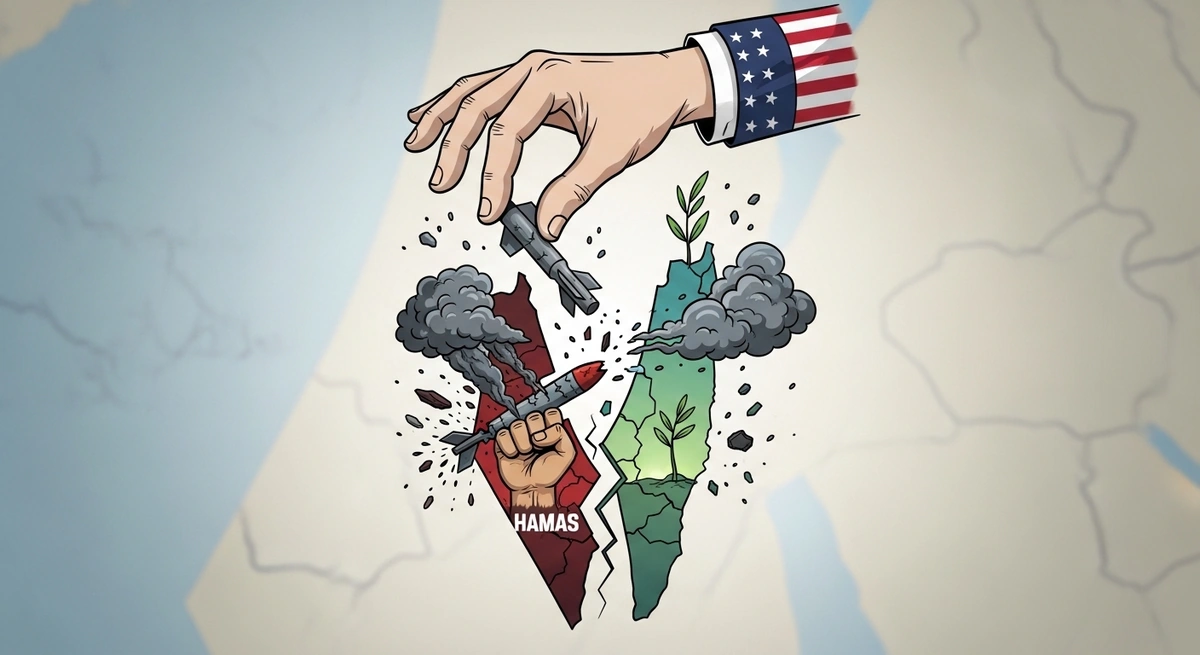
Iran said it was receptive to requests from Spain regarding transit through Hormuz
The Chronify
Iran has signaled a limited opening for Spanish shipping through the Strait of Hormuz, saying it would be receptive to any request from Madrid related to transit through the waterway, after Spain publicly refused to join military operations in the Gulf and described the US Israeli war on Iran as illegal. The statement came from the Iranian embassy in Spain and is the first such public gesture toward a European Union country since maritime traffic through Hormuz was sharply restricted.
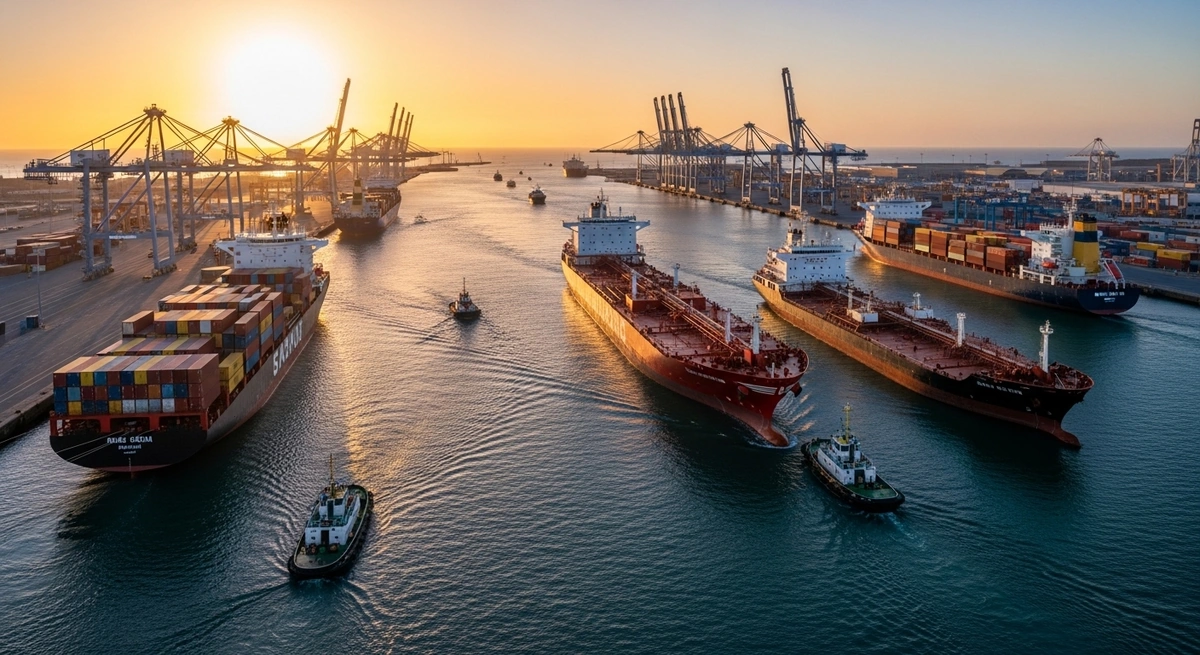
The offer does not amount to a blanket guarantee of unrestricted passage for all Spanish vessels. Public reporting says Iran has been allowing passage only for “non hostile” ships that coordinate with Iranian authorities, while most commercial traffic through the strait remains severely disrupted. Maritime reporting also says a small northern route near Larak Island is being used by a limited number of approved vessels, with overall transit still far below normal levels.
Spain’s government has taken one of the clearest anti war positions in Europe. Madrid ruled out taking part in any military mission in the Strait of Hormuz, and senior Spanish officials said their goal was to end the conflict rather than expand it. Spain also rejected US requests linked to Gulf operations, according to earlier reporting.
Even so, the practical impact of Iran’s message may be limited for now. Spain has a relatively small merchant fleet, only a few Spanish flagged oil tankers meet major industry standards, and no Spanish flagged vessels were reported to be operating in the Gulf at the time of the announcement. Spain’s foreign minister also reacted cautiously, saying he did not fully understand Tehran’s overture and reaffirming Spain’s support for sanctions on Iran while calling for de escalation.
The broader shipping picture remains highly unstable. International reporting says ship traffic through Hormuz has collapsed since the war began, with vessels subject to Iranian vetting and, in some cases, alleged transit charges that have not been independently confirmed. The strait normally handles about one fifth of global oil and liquefied natural gas trade, making any selective reopening politically and economically significant.
Related News