Exploring the Health Effects of Rose Tea
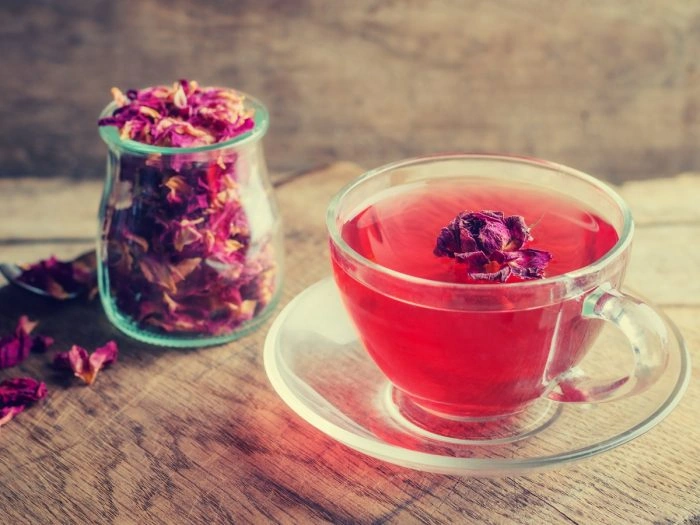
Rose tea is becoming increasingly popular, with claims that it helps protect heart health. But how effective is it really? Rafia Alam spoke to Shampa Sharmin Khan, Head of the Home Economics Department at Kumudini Government College, Tangail, to find out the facts behind the trend.
Rose petals are rich in antioxidants, and consuming extracts from its petals or buds can provide several health benefits. However, you may get greater benefits from other beverages made with rose extracts rather than from rose tea itself because some nutrients can be lost during the tea-making process.
The Caffeine Factor
Some beverages contain high amounts of caffeine, which can have negative effects on the body.
Rose tea typically contains no caffeine, which means you don’t have to worry about any caffeine-related side effects.
Since caffeine is known to disrupt sleep, tea and coffee are usually discouraged in the evening. But rose tea, being caffeine-free, poses no such risk you can enjoy a cup in the evening without fearing insomnia.
Rose tea can also help keep you hydrated and may even give you a refreshing boost all without caffeine.
However, be cautious: some commercially produced rose teas may have caffeine added separately. So, always check the label before buying.
Rose Tea: A Supportive Drink for Wellness, Not a Magic Cure
Rose tea is considered healthy due to its variety of antioxidants. These compounds help keep the body youthful both inside and out and may help reduce the risk of heart disease and diabetes.
Drinking rose tea can also refresh the skin, and it may boost metabolism, making it a helpful drink for weight management.
However, it’s important to remember:
Simply drinking a few cups of rose tea with the limited amount of rose extract it contains won’t automatically lead to weight loss or eliminate the risk of chronic illness.
To stay healthy, you must maintain a balanced lifestyle, which includes:
-
A nutritious diet
-
Regular physical activity
-
Good sleep and hydration
Even when it comes to glowing skin, your diet plays a key role.
So, while rose tea can be a supportive part of your routine, no drink alone can be the key to good health.
Rose Tea for Pain Relief and Inflammation
Rose tea can help reduce pain and inflammation. It is especially beneficial for women to ease discomfort during menstruation and the days leading up to it. A cup of rose tea during this time may help relieve fatigue and promote relaxation. Additionally, rose tea may have mild antibacterial properties.
Tips to Keep in Mind
-
Rose tea can be made from any variety of rose petals. However, some roses have a bitter taste. It’s best to choose roses that naturally have a slightly sweet flavor.
-
Adding sugar to rose tea reduces its health benefits.
-
To stay healthy, try to develop a habit of drinking sugar-free beverages and avoid artificial sweeteners as well.
-
For brewing, pour hot water into a cup or mug, add rose petals, and cover for 2-3 minutes. Covering helps retain the nutrients and aroma without losing them in steam.
-
Choose rose petals from gardens where no chemical sprays are used. Alternatively, you can dry petals from your own rose plants to make tea.
Related News
You may like




Tom Holland Says Marvel Has a Plan for the Next Spider-Man
August 1, 2026
Elected News
-

Bangladesh Seeks UN Women Support on Digital Harassment and Women’s Empowerment
-

Bangladesh, Australia Discuss Human Trafficking, Irregular Migration and Rohingya Crisis
-

Bangladesh Plans Internet-Free Access to Mobile Banking and Financial Apps
-

DU to Open Undergraduate Admission Applications on 11 November, Tests Begin 5 December


