Which is more nutritious cauliflower or cabbage?
Winter is just around the corner. The chilly atmosphere is already being felt. While not in the city, in the villages, the morning fog of winter can be seen.
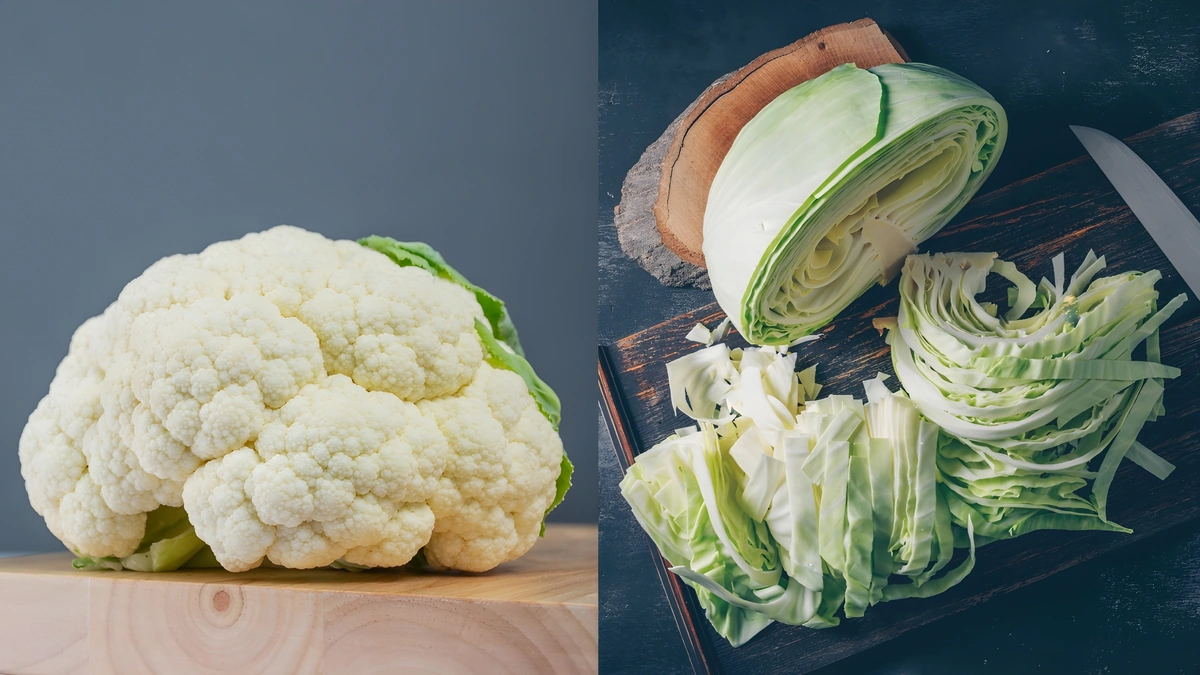
Winter mornings have brought the first chill, and seasonal vegetables are starting to appear in the markets. Everywhere you look, there’s a colorful array of vegetables. Among them, the two most popular are cauliflower and cabbage. Both are affordable, versatile in cooking, and delicious. But the question is which is more nutritious: cauliflower or cabbage?
Nutritional Value of Cauliflower
One cup (about 100 grams) of raw cauliflower contains approximately:
-
Calories: 25–30
-
Protein: 2 g
-
Carbohydrates: 5 g
-
Fiber: 2 g
-
Vitamin C: 51 mg
-
Folate: 60 µg
Cauliflower is a good source of folate, which is important for the development of the brain and nervous system in children. It also contains choline, which supports brain cell function. Low in carbs and calories, cauliflower is excellent for weight management and controlling diabetes.
Nutritional Value of Cabbage
One cup of raw cabbage contains approximately:
-
Calories: 20–25
-
Protein: 1.5 g
-
Fiber: 2.5 g
-
Vitamin C: 40 mg
-
Vitamin K, Calcium, and Potassium
Cabbage is rich in antioxidants and glucosinolates, which help protect body cells from damage. Red or purple cabbage contains anthocyanins, which are beneficial for heart health and reduce inflammation.
Cauliflower vs. Cabbage: Which is Better?
Both vegetables belong to the cruciferous family, like broccoli and turnips, and have roles in cancer prevention.
-
Cauliflower: Lower in carbs and calories, making it ideal for weight-loss diets.
-
Cabbage: Higher in fiber and antioxidants, aiding digestion and reducing inflammation.
Both are very healthy. One helps with weight management, while the other supports disease prevention. Including both in your winter diet is ideal—e.g., a cauliflower stir-fry one day, cabbage salad the next.
Who Should Avoid Cauliflower and Cabbage
-
Thyroid Issues:
Both contain goitrogenic compounds that can interfere with thyroid hormone function, especially when eaten raw. Thyroid patients should cook them well and eat in limited amounts. -
Gas and Bloating:
High fiber and sulfur content may cause gas or bloating. Those with acidity, irritable bowel syndrome, or digestive sensitivity may find them uncomfortable. -
Kidney Problems:
Both vegetables are rich in potassium and phosphorus, which can accumulate in people with kidney issues. Kidney patients should consult a doctor before consuming. -
Blood Disorders:
Cabbage is high in vitamin K, which promotes blood clotting. People on blood-thinning medication should be cautious.
Related News
You may like




Tom Holland Says Marvel Has a Plan for the Next Spider-Man
August 1, 2026
Elected News
-

Bangladesh Seeks UN Women Support on Digital Harassment and Women’s Empowerment
-

Bangladesh, Australia Discuss Human Trafficking, Irregular Migration and Rohingya Crisis
-

Bangladesh Plans Internet-Free Access to Mobile Banking and Financial Apps
-

DU to Open Undergraduate Admission Applications on 11 November, Tests Begin 5 December


