India considers rice export duties as domestic prices rise
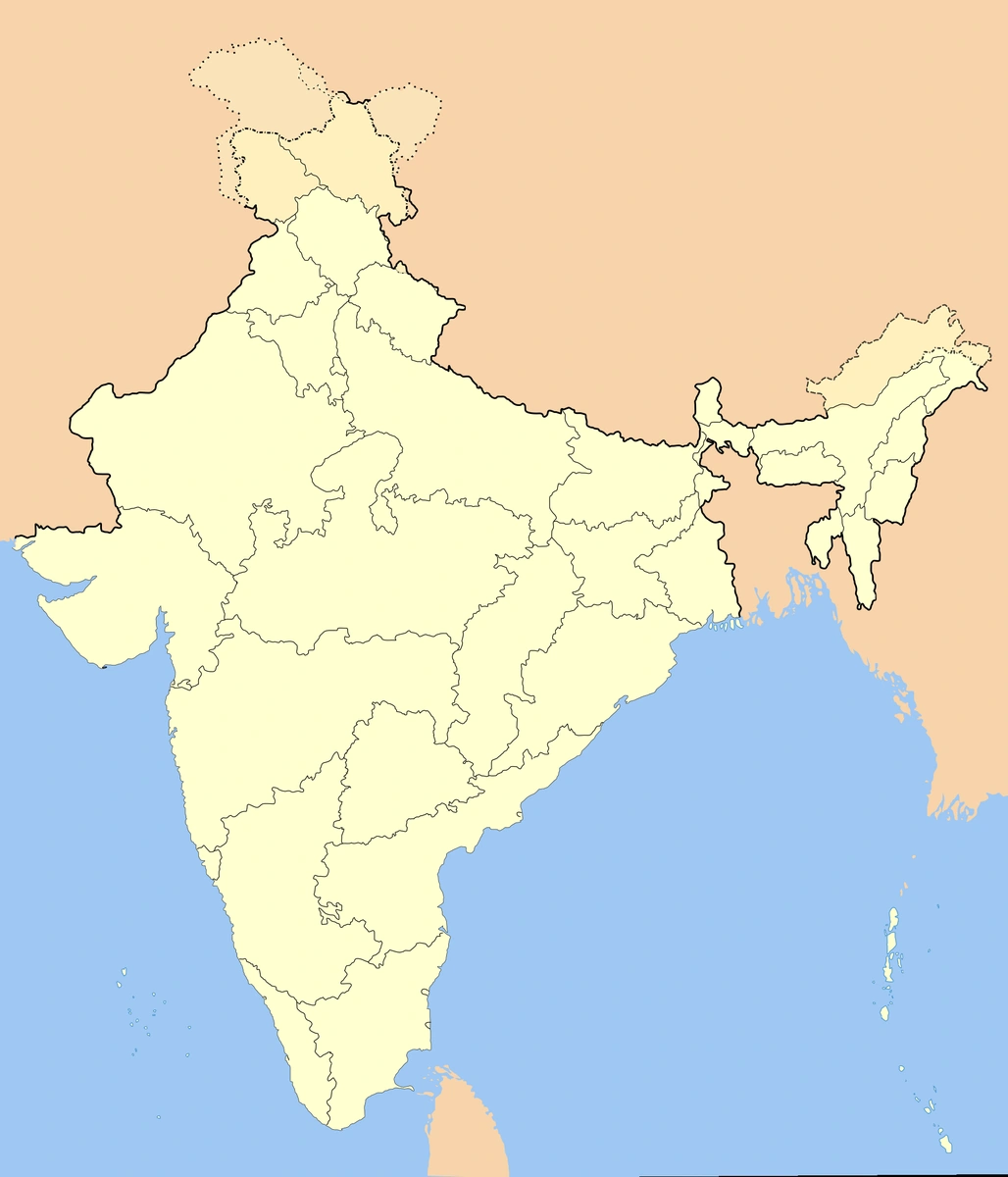
India is considering imposing duties on rice exports to stabilise domestic prices, a move driven by pressure from the poultry and cattle feed industries. However, traders argue that current surpluses make such restrictions unnecessary.
New Delhi is evaluating the introduction of export duties on rice as domestic prices for certain varieties climb, a move that has sparked disagreement between government officials and industry stakeholders. The government is considering measures to limit exports and support the domestic industry, according to a government official, while a government spokesperson did not immediately respond to a request for comment on the specific details of the proposed policy.
The primary driver for the potential regulatory intervention is the sharp rise in the price of broken rice, a by-product of milling that serves as a critical raw material for animal feed. The poultry and cattle feed industries have been identified as the sectors hardest hit by this price surge. According to a government official, these industries had urged the government to restrict shipments to alleviate the cost pressure on domestic producers. The official stated, "We are considering measures to limit exports and support the domestic industry," indicating that the policy debate is currently focused on balancing export revenue with the protection of downstream domestic sectors.
Despite the government's consideration of restrictive measures, market participants suggest that the impact on global trade flows may be limited. A New Delhi-based dealer with a global trade house noted that while an export duty may slow Indian rice exports, it is unlikely to stop shipments entirely. The dealer attributed this resilience to India's significant price advantage over rival suppliers in the global market. This perspective suggests that even with additional costs imposed by the government, Indian rice would remain competitive enough to maintain its presence in international markets, albeit at a reduced volume.
The current state of the domestic rice market provides context for the government's deliberations. State reserves of rice, including unmilled paddy, totalled a record 55.3 million metric tons as of November 1. This stockpile is nearly four times the government's target, indicating a substantial surplus in the national inventory. Such high levels of storage are typically a sign of a strong harvest and ample supply, which complicates the narrative that domestic shortages are driving the need for export restrictions. The record-high reserves suggest that the government has significant leverage to manage domestic prices without necessarily cutting off supply to foreign buyers.
Mukesh Jain, an exporter based in Raipur in the central state of Chhattisgarh, offered a contrasting view on the necessity of the proposed measures. Jain observed that while prices of some premium non-Basmati rice varieties have risen, those of other grades remain largely stable. He emphasised that domestic supplies are comfortably exceeding demand, a condition that typically argues against the imposition of export controls. In his assessment, the market is functioning normally for the majority of rice categories, with the price increases confined to specific premium segments rather than the broader market.
Jain explicitly argued against the restriction of trade, stating, "There is no need to restrict rice exports. Exports should continue uninterrupted to help create storage space for the new crop." This statement highlights a key logistical concern for farmers and traders: the need to clear out old stock to make room for the incoming harvest. If exports are curtailed, the surplus inventory could lead to storage bottlenecks, potentially depressing farm-gate prices and discouraging future production. The exporter's position reflects a broader industry sentiment that maintaining open trade channels is essential for the health of the agricultural supply chain.
The divergence in opinion between government officials and industry representatives underscores the complexity of managing a commodity that is both a strategic food security asset and a major export earner. For the government, the rise in broken rice prices poses a direct threat to the viability of the poultry and feed sectors, which are vital for protein supply and rural employment. For exporters and traders, however, the focus is on market access and the efficient rotation of inventory. The government's decision will likely hinge on whether the price increases in broken rice are viewed as a temporary market fluctuation or a structural issue requiring intervention.
India is one of the world's largest producers and exporters of rice, and its trade policies have a significant impact on global food prices and availability. Any move to impose export duties would be closely watched by other major rice-exporting nations, including Vietnam, Thailand and Pakistan, which may see an opportunity to capture market share if Indian shipments decline. The timing of the decision is also critical, as it coincides with the period when new crops are being harvested and stored. A policy that restricts exports at this stage could have cascading effects on the domestic market, potentially leading to a glut of old stock and a squeeze on storage facilities.
The record reserves of 55.3 million metric tons serve as a buffer for the government, allowing it to intervene in the domestic market if prices become volatile. However, the sheer volume of stock also means that the government must find ways to move this inventory. Exports have traditionally been the primary mechanism for clearing out surplus stocks. If this channel is narrowed, the government may need to explore alternative avenues, such as increasing domestic consumption through public distribution systems or industrial use, though these options have their own logistical and economic challenges.
The poultry and cattle feed industries' call for action highlights the interconnectedness of the agricultural sector. Broken rice is not just a food item but a key input for the livestock industry. A sustained rise in its price can erode profit margins for feed manufacturers, leading to higher costs for poultry farmers and, ultimately, higher prices for consumers. The government's consideration of export limits is thus a response to this specific industrial pressure, aiming to keep input costs manageable for domestic producers. This targeted approach suggests that the policy, if implemented, may be nuanced rather than a blanket ban on all rice exports.
The lack of an immediate response from a government spokesperson to requests for comment indicates that the policy is still in the deliberation phase. This period of uncertainty can create volatility in the market, as traders and exporters adjust their strategies based on speculation about the final decision. The New Delhi-based dealer's view that shipments are unlikely to stop suggests a degree of confidence in the continued competitiveness of Indian rice, but the potential for a slowdown in volumes remains a valid concern. The outcome of these deliberations will provide a clear signal to the global market on India's stance towards rice trade in the coming months.
In conclusion, the debate over rice export duties in India reflects a broader tension between protecting domestic industries and maintaining the country's position as a leading global supplier. The record-high reserves provide the government with the capacity to manage domestic supplies, but the pressure from the poultry and feed sectors is pushing for immediate action. As the government weighs its options, the views of exporters like Mukesh Jain, who advocate for uninterrupted trade to facilitate storage rotation, will likely be part of the broader policy discussion. The final decision will balance these competing interests, with significant implications for both the domestic economy and the global rice market.
You may like

Hathazari sweet red chillies reach Middle East markets
November 23, 2026

Kenya and DR Congo restore diplomatic ties after summit in Congo
November 23, 2026
Three dead after fire at candy factory in Indonesia's Banten province
November 23, 2026

Ukraine claims sinking of Russian corvette Merkury off Libya coast
November 23, 2026
Elected News
-
Bangladesh Seeks UN Women Support on Digital Harassment and Women’s Empowerment
-
Bangladesh, Australia Discuss Human Trafficking, Irregular Migration and Rohingya Crisis
-

Bangladesh Plans Internet-Free Access to Mobile Banking and Financial Apps
-

DU to Open Undergraduate Admission Applications on 11 November, Tests Begin 5 December


