UN rights chief calls for AI regulation to address power imbalance
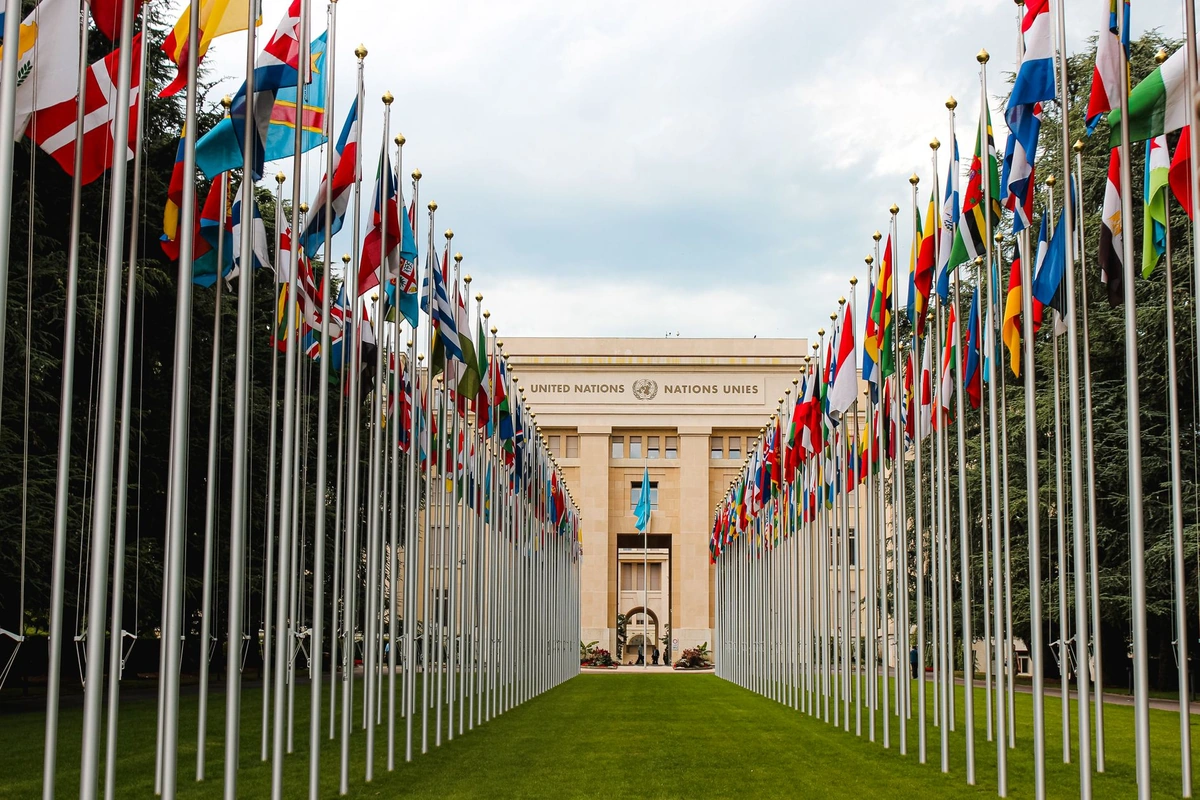
United Nations human rights chief Volker Turk has criticised the current state of artificial intelligence governance as 'mediaeval'. He urged for immediate regulation to address the concentration of power among a few technology companies.
The United Nations high commissioner for human rights, Volker Turk, has warned that the global governance of artificial intelligence is currently operating in an almost mediaeval fashion. Speaking at the RightsX summit in Geneva on 19 November, Turk argued that the rapid development of the technology is being steered by a small group of tech barons who hold disproportionate control over the world’s computing power, data, and infrastructure.
Turk highlighted what he described as a glaring democratic deficit in the industry. He noted that five technology companies currently own more than 70% of global AI computing capacity. This concentration of power, he stated, exists with virtually no checks, balances, participation, or accountability, leaving the world without common rules to pace or steer the trajectory of AI development.
The UN official cautioned that history has repeatedly demonstrated that when power is concentrated in such a manner, the rights and freedoms of ordinary people are the first to suffer. He warned that the technology is increasingly influencing daily life, often without the knowledge of the individuals affected. This influence, he suggested, could distort public debate in subtle and insidious ways, while biased algorithms could potentially reproduce injustice on an industrial scale.
Addressing the potential for systemic instability, Turk warned that the digitisation of critical sectors such as transport, food, and healthcare creates new vulnerabilities. He cautioned that the world may not be far from a point where AI could disrupt the critical infrastructure of entire communities or nations, whether through autonomous failure or by being utilised by malicious actors. He urged stakeholders to consider who is making decisions regarding the risks taken with this technology, particularly when discussions turn to the possibility of civilisational collapse.
Drawing a comparison to consumer safety, Turk noted that even basic goods, such as a bottle of milk, are subject to rigorous layers of testing and regulation before they reach the public. He argued that it is a logical necessity to implement similar oversight for AI, given its significant potential for harm. To this end, he revealed that he has written to frontier AI companies, urging them to introduce effective safeguards before the opportunity to do so passes.
Turk proposed that the Universal Declaration of Human Rights should serve as a foundational task for AI, informing how models are trained to ensure they align with human values. He emphasised that the benefits of the technology must be shared equitably, a goal that he believes requires both the goodwill of technology firms and robust, rights-centred regulation.
Despite his concerns, the high commissioner expressed a degree of optimism that the current situation is not permanent. He suggested that the public will eventually challenge this unchecked power, noting that the existing democratic deficit could transform into a significant deficit of trust. He pointed to the behaviour of young people, who are increasingly choosing to step offline, as an indication that individuals are already seeking to regain greater control over their lives in the face of pervasive digital influence.
You may like

South Africa beat Bangladesh by nine wickets in first Test
November 19, 2026

Alibaba reports 10 per cent revenue growth driven by AI cloud surge
November 19, 2026

South Korea hits US$1 trillion in exports, launches growth fund
November 19, 2026

Rupali Bank launches month-long farm loan programme in Dhaka
November 19, 2026
Elected News
-
Bangladesh Seeks UN Women Support on Digital Harassment and Women’s Empowerment
-

Bangladesh, Australia Discuss Human Trafficking, Irregular Migration and Rohingya Crisis
-
Bangladesh Plans Internet-Free Access to Mobile Banking and Financial Apps
-

DU to Open Undergraduate Admission Applications on 11 November, Tests Begin 5 December


