US Delegation Meets Pakistan PM Ahead of Key Iran Talks
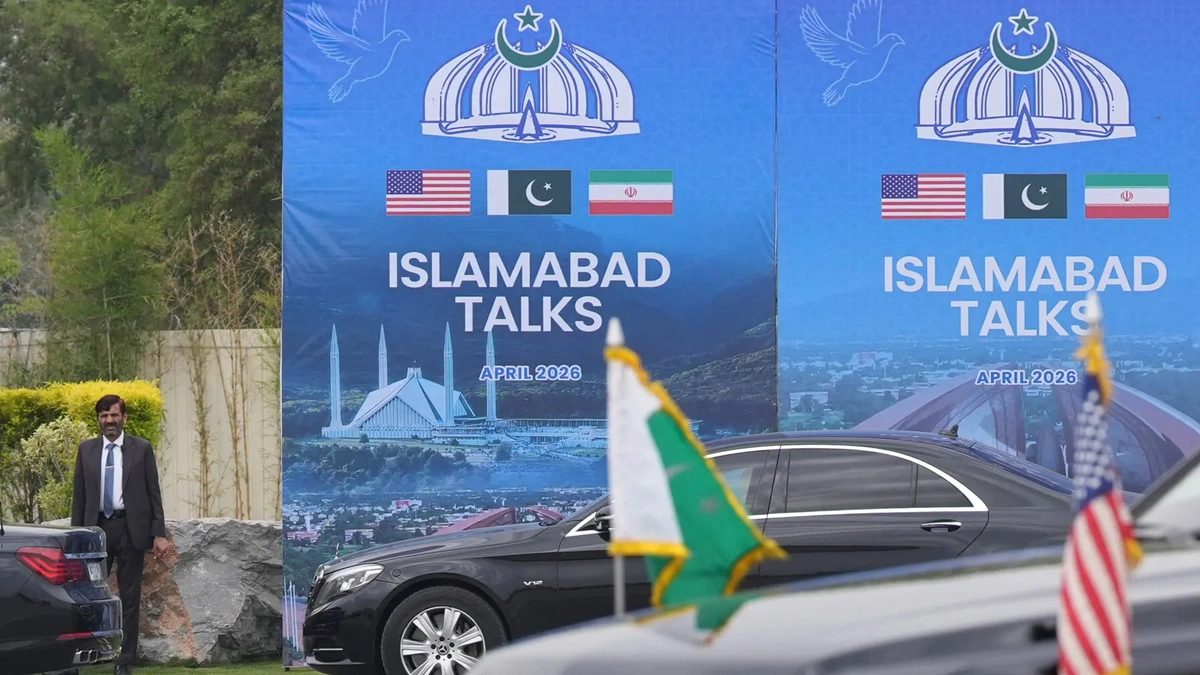
High-level diplomatic engagements in Islamabad signal intensified efforts to turn the US-Iran ceasefire into a lasting peace agreement.
A United States delegation led by Vice President JD Vance has held a important meeting with Pakistan’s Prime Minister Shehbaz Sharif in Islamabad, as diplomatic efforts intensify to stabilize the Middle East.
The White House confirmed the meeting, which took place on Saturday (April 11), just hours before anticipated high-level discussions between the United States and Iran aimed at extending the ongoing temporary ceasefire.
According to reports, the US delegation included President Donald Trump’s special envoy Steve Witkoff and senior advisor Jared Kushner. Senior Pakistani officials, including Deputy Prime Minister and Foreign Minister Ishaq Dar and Interior Minister Mohsin Naqvi, were also present.
Earlier in the day, Prime Minister Sharif met with an Iranian delegation led by Parliament Speaker Mohammad Bagher Ghalibaf, with Foreign Minister Abbas Araghchi also in attendance.
Iranian state media confirmed that arrangements for direct talks between Iran and the United States would be finalized following these meetings.
Pakistan has expressed optimism that the discussions could mark a significant step toward long-term regional stability. Officials reiterated Islamabad’s willingness to facilitate dialogue between the two sides.
Diplomatic sources indicate that Pakistan is actively working to bring both countries into direct negotiations. Initial plans reportedly include a symbolic handshake between delegation leaders or mediated interaction involving Pakistani officials.
Under the proposed schedule, both Iranian and US delegations are expected to meet Pakistan’s prime minister separately before engaging in direct talks, which were scheduled to begin later in the evening and continue for several hours.
Key issues likely to dominate the discussions include sanctions relief, regional ceasefire conditions, maritime control in the Strait of Hormuz, and Iran’s missile and nuclear programs.
Iran is expected to push for the lifting of economic sanctions, release of frozen assets, and recognition of its strategic interests in the region. The United States, on the other hand, may seek limitations on Iran’s missile capabilities and concessions on its nuclear activities.
While both sides have expressed willingness to negotiate, significant differences remain, leaving the outcome of the talks uncertain.
Related News


You may like




Tom Holland Says Marvel Has a Plan for the Next Spider-Man
August 1, 2026
Elected News
-
Bangladesh Seeks UN Women Support on Digital Harassment and Women’s Empowerment
-
Bangladesh, Australia Discuss Human Trafficking, Irregular Migration and Rohingya Crisis
-

Bangladesh Plans Internet-Free Access to Mobile Banking and Financial Apps
-

DU to Open Undergraduate Admission Applications on 11 November, Tests Begin 5 December


