Places Where Performing Salah (Prayer) Is Prohibited
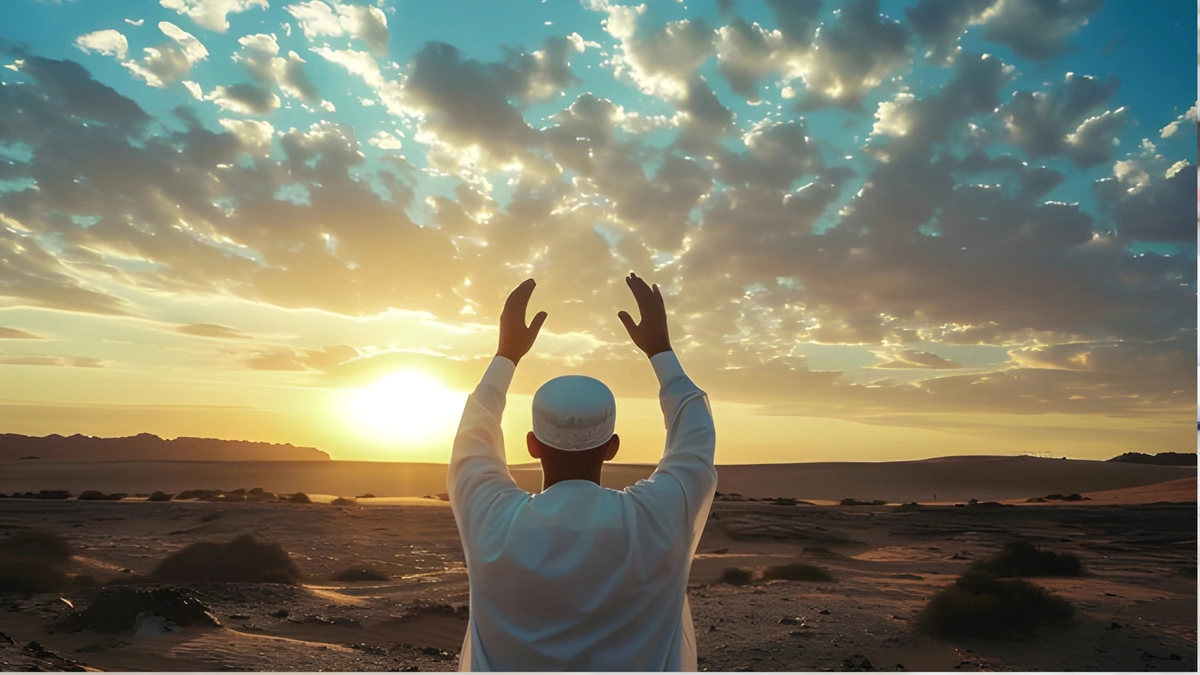
Performing the five daily prayers on time is one of the key responsibilities of a Muslim. Regarding praying on time, Allah the Almighty says, “Indeed, prayer has been decreed upon the believers at prescribed times.” (Surah An-Nisa, Ayah 103). Those who perform the five daily prayers on time have been promised Paradise.
The Prophet Muhammad (peace be upon him) said: Allah has made five daily prayers obligatory upon His servants. Whoever performs them properly and does not neglect any of them out of carelessness, Allah promises to admit him into Paradise. But whoever does not perform them properly, then Allah has no promise for him—if He wills, He will punish him, or if He wills, He will admit him into Paradise. (Sunan Abi Dawood, Hadith: 1420) Prayer requires a pure place, and it can be offered in any clean area. The Prophet (peace be upon him) said: The entire earth has been made a mosque and pure for my ummah. (Bukhari, Hadith: 2977) Although prayer can be performed in any pure place on earth, there are certain locations where it is prohibited. Ibn Umar (may Allah be pleased with him) reported that the Messenger of Allah (peace be upon him) forbade prayer in seven places: garbage dumps, slaughterhouses, graveyards, pathways, bathrooms, camel enclosures, and on the roof of the Kaaba. (Tirmidhi, Ibn Majah) Abu Sa'id Al-Khudri (may Allah be pleased with him) narrated that the Prophet (peace be upon him) said: The entire earth is a place of prayer except graveyards and bathrooms. (Abu Dawood, Hadith: 492) Prayer is not allowed in camel pens. Al-Bara ibn Azib (may Allah be pleased with him) reported that when the Prophet (peace be upon him) was asked about praying in camel enclosures, he said: Do not pray in places where camels are tied, for they are places of devils. When he was asked about sheep enclosures, he said: You may pray there, for it is full of blessings. (Abu Dawood, Hadith: 493) Praying in places where previous nations were punished is also forbidden. Abdullah ibn Umar (may Allah be pleased with him) narrated that the Messenger of Allah (peace be upon him) said: Do not enter the dwellings of those who wronged themselves unless you are weeping. If you are not weeping, do not enter, lest the same punishment that afflicted them afflict you. (Bukhari, Hadith: 433) Ibn Umar added that when the Prophet (peace be upon him) passed through the ruins of Thamud, he said: Do not enter the homes of those who wronged themselves without weeping, lest you suffer the same punishment that they did. Then he covered his head and quickly passed through the valley. (Bukhari, Hadith: 4419) Scholars have agreed that it is prohibited to pray in places of divine punishment. Imam Nawawi (may Allah have mercy on him) said that it is unanimously haram to offer prayer in such places. Praying in busy roads where vehicles and people pass frequently is discouraged to avoid causing inconvenience.
However, if one prays on the side of the road without disturbing others, or on abandoned roads, it is allowed. In cases of necessity, such as during Jumu’ah or Eid when space is limited, praying on roads is permitted. Prayer is allowed on roads if it does not obstruct people. Abu Sa'id Al-Khudri (may Allah be pleased with him) narrated that the Messenger of Allah (peace be upon him) said: Be cautious about sitting on roads. The companions said, O Messenger of Allah, we have no choice we sit there to talk. The Prophet said: If you must sit, then fulfill the rights of the road. They asked, What are the rights of the road? He replied: Lowering the gaze, avoiding harm, returning greetings, enjoining good, and forbidding evil. (Bukhari, Hadith: 6229)
Related News
You may like




Tom Holland Says Marvel Has a Plan for the Next Spider-Man
August 1, 2026
Elected News
-

Bangladesh Seeks UN Women Support on Digital Harassment and Women’s Empowerment
-

Bangladesh, Australia Discuss Human Trafficking, Irregular Migration and Rohingya Crisis
-

Bangladesh Plans Internet-Free Access to Mobile Banking and Financial Apps
-

DU to Open Undergraduate Admission Applications on 11 November, Tests Begin 5 December


