How does an electric bulb light up
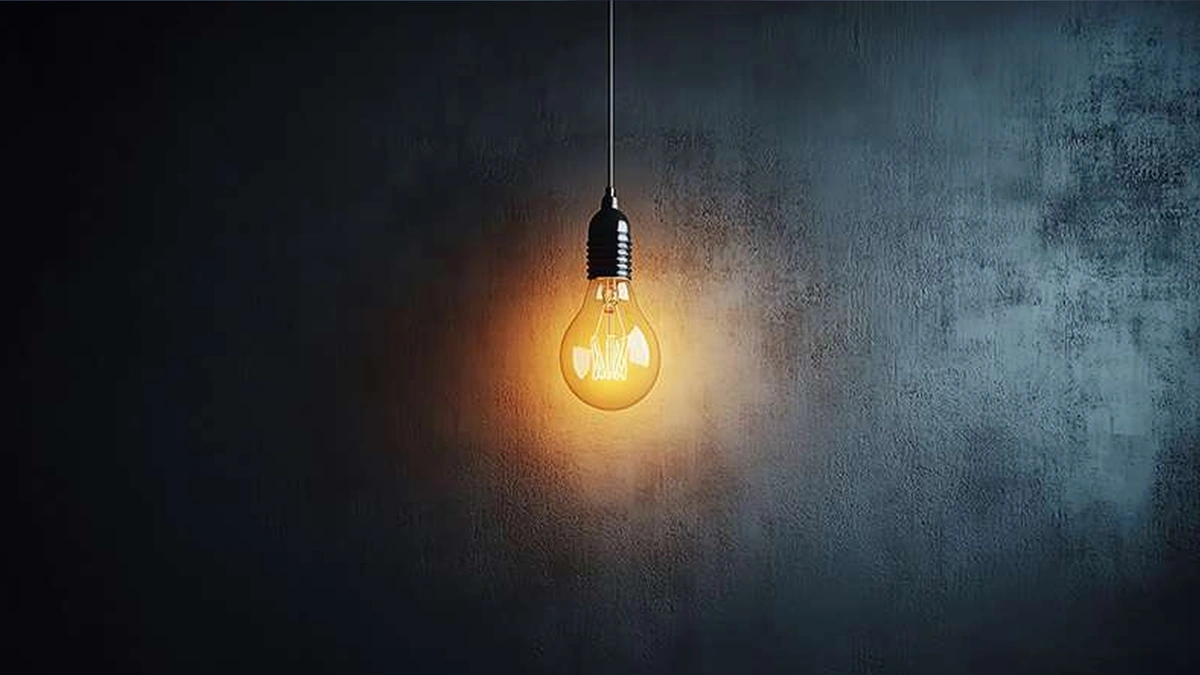
When electricity flows through a wire into a bulb, the wire inside the bulb becomes hot and starts to glow. This happens because of the filament inside the bulb. The filament is very thin and offers resistance to the flow of electric current. As a result, the electrical energy is converted into heat and light energy.
The filament is usually made of a metal called tungsten. Tungsten melts at very high temperatures.
To prevent the filament from burning out, all the oxygen inside the bulb is removed.
Instead, inert gases (which do not react chemically) are used to fill the bulb.
Some bulbs also contain halogen gases such as iodine and bromine.
LED Bulbs
LED stands for Light Emitting Diode. These bulbs produce light by passing electricity through a semiconductor material.
LED bulbs are more energy-efficient than traditional bulbs.
They are also long-lasting and durable.
LEDs require less power to produce light, because very little energy is wasted as heat.
Tungsten
Tungsten filaments are very thin and fragile.
If such a bulb is dropped on the floor, the outer glass may not break but the delicate filament inside can easily snap.
Halogen
Halogen gas helps protect the filament and extend the life of the bulb.
Halogen bulbs typically last twice as long as regular incandescent bulbs.
Related News
You may like




Tom Holland Says Marvel Has a Plan for the Next Spider-Man
August 1, 2026
Elected News
-

Bangladesh Seeks UN Women Support on Digital Harassment and Women’s Empowerment
-

Bangladesh, Australia Discuss Human Trafficking, Irregular Migration and Rohingya Crisis
-

Bangladesh Plans Internet-Free Access to Mobile Banking and Financial Apps
-

DU to Open Undergraduate Admission Applications on 11 November, Tests Begin 5 December


