How to detect if something is written by AI?
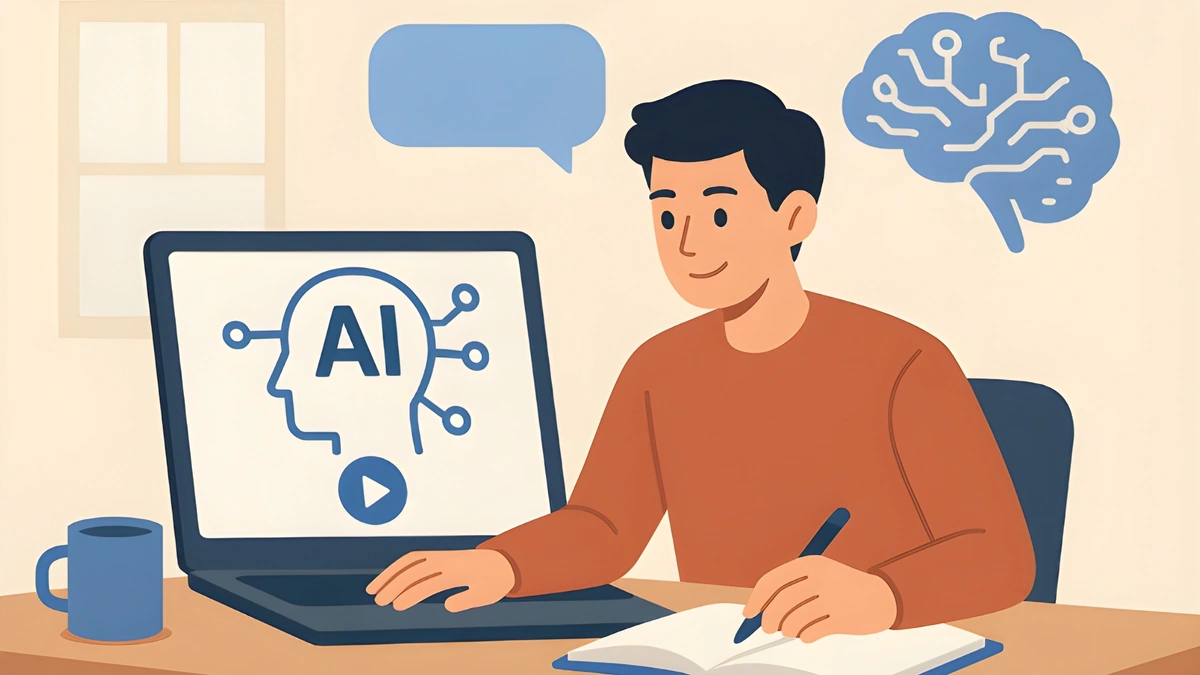
While scrolling through Facebook, you come across a great health tip, or maybe you’re reading a review of a new phone. The text is well-organized and neatly written, but reading it feels too perfect, yet lifeless. You might think, “Was this written by AI?” But how can you really tell if a piece of writing is generated by AI or written by a human? What criteria would you use to classify a text as AI-written?
There are some simple and common ways to detect AI-written text, and you don’t need any software for it. Certain clues are hidden within the writing itself, which can help you figure out whether a text is written by a human or AI. Let’s look at these easy methods:
1. Similar or repetitive openings
Many AI-generated contents start with the same type of question, such as:
-
“Have you ever wondered…?”
-
“Are you struggling with this problem…?”
-
“What if I told you…?”
These sentences are generally meant to grab the reader’s attention.
Why does AI start like this? AI models learn from millions of blog posts and advertisements on the internet, where these formulaic openings are most common. A real human writer, however, usually seeks originality. They might start with a story, an interesting fact, or a unique anecdote. So if you notice a text repeatedly beginning with such generic questions, it’s likely AI-generated.
2. Generic statements without specific information
AI-generated text often contains sentences that sound good but lack concrete details, such as:
-
“Many studies have shown…”
-
“Experts believe…”
-
“A recent survey suggests…”
These statements don’t specify which study or which expert.
For example, if I tell you, “Use a popular app and all your problems will be solved,” but don’t mention the app’s name, that’s typical of AI examples. Humans, on the other hand, usually provide specific examples based on personal experience, like a brand name, actual statistics, or a particular incident.
When you notice a text lacking specific details or real-life examples, it’s a strong indicator that it might be AI-written.
3. Sounds like a press release
Some texts feel like you are reading a company press release. They may be full of grand words like revolutionary, groundbreaking, or cutting-edge, but there is no explanation of why these terms are used.
AI often uses complex or flashy words to make the writing seem attractive, but it fails to explain the main idea in simple terms. An experienced human writer will tell you why something is good or why using it may be tricky. If a text seems more focused on impressing or surprising you rather than providing useful information, it is likely AI-generated.
Many people think a text is AI-written if they see em dashes (—). But that’s not correct. Writers have used this punctuation for hundreds of years to create drama, indicate a pause, or add emphasis.
4. Everything is overly positive
Another hallmark of AI writing is its monotonous, overly positive tone. From start to finish, the text remains upbeat and encouraging. Any problem is presented with a very simple solution, and there’s no mention of difficulties or frustrations.
Human writing is not this uniform. Real human texts show emotional variation anger, irritation, joy, or doubt often come through. If a text only highlights the positive and avoids complex or difficult topics, it’s a sign that it may be AI-generated.
5. Absence of real-life challenges
One of the clearest ways to spot AI-written text is the lack of real-life experience. AI can perfectly explain the steps to complete a task, but it cannot warn you about practical problems that might occur while doing it.
For example, a recipe book can tell you all the ingredients and steps to bake a cake. But your mother might say, “Take the eggs out of the fridge a bit earlier so they come to room temperature; otherwise, the cake won’t rise properly.” This touch of real-life experience is missing in AI-generated writing. AI texts are perfect like pages from a book, but they lack the imprint of actual human experience.
Don’t judge solely by dashes
Many people think that seeing em dashes (—) indicates AI writing, but that’s not true. Writers have used em dashes for hundreds of years to add drama, create pauses, or emphasize points. However, AI often misuses em dashes, placing them where a semicolon or nothing at all would be appropriate. Humans use em dashes to enhance meaning, while AI uses them to appear clever. So don’t make judgments based only on punctuation.
Final note on AI usage
Using AI is not inherently bad. It’s perfectly fine to use AI to improve your writing for example, to correct spelling, suggest better words, or adjust tone. The problem arises if you simply tell AI, “Write this text for me.”
Instead, you can use AI to enhance your own writing. You can get ideas about what to write or what points to cover on a topic, but the writing itself should be your own work. AI is best used as a tool to polish your ideas, not as a substitute for your own writing.
Related News
You may like
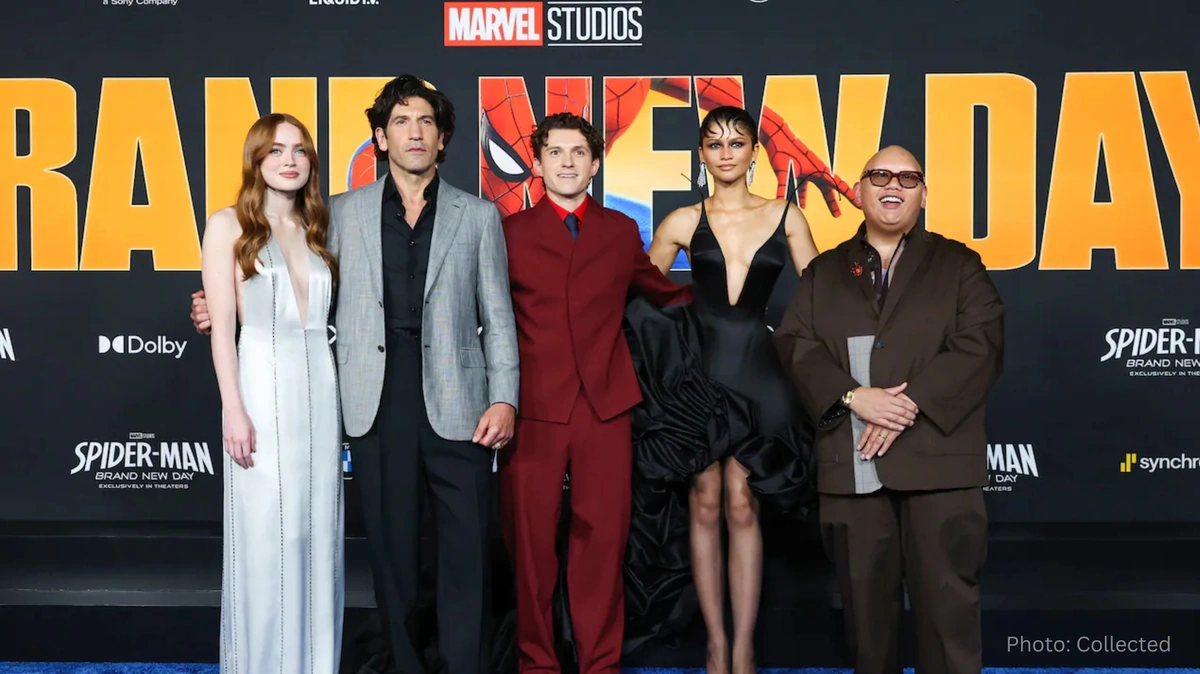


Tom Holland Says Marvel Has a Plan for the Next Spider-Man
August 1, 2026
Elected News
-

Bangladesh Seeks UN Women Support on Digital Harassment and Women’s Empowerment
-

Bangladesh, Australia Discuss Human Trafficking, Irregular Migration and Rohingya Crisis
-

Bangladesh Plans Internet-Free Access to Mobile Banking and Financial Apps
-

DU to Open Undergraduate Admission Applications on 11 November, Tests Begin 5 December


