The Science Behind the Brain’s Multitasking Ability
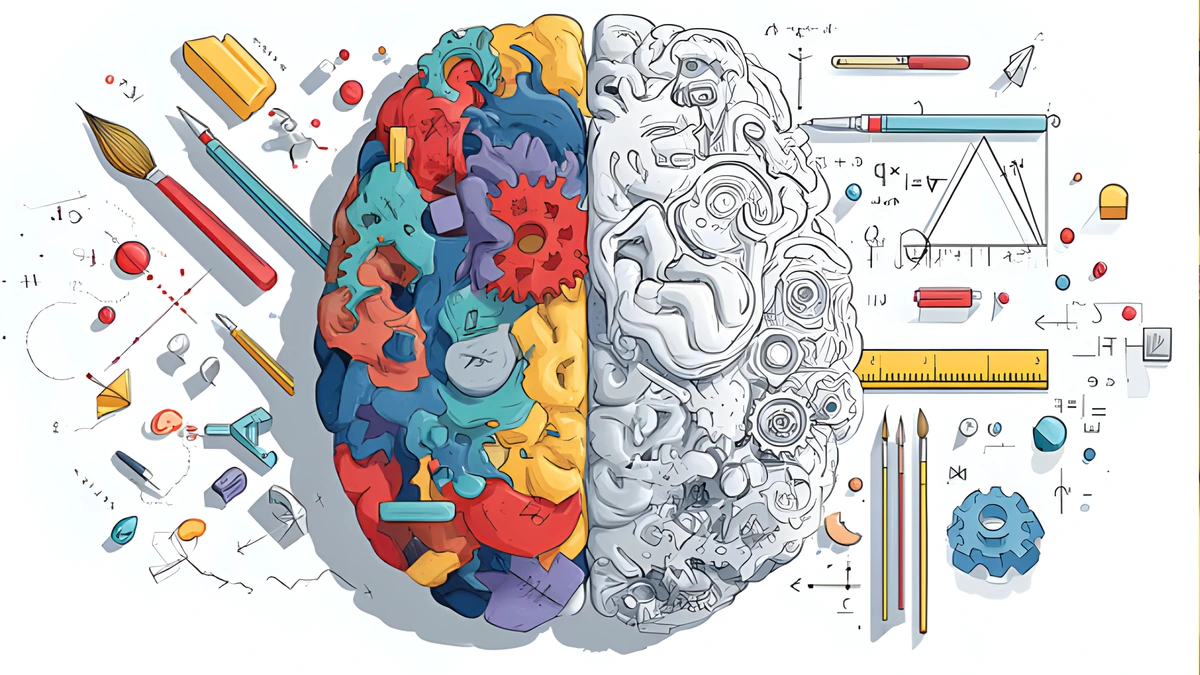
Young people are glued to their smartphones. From the internet, WhatsApp, Messenger, Instagram, Facebook, to video games and countless other digital platforms, they stay busy day and night, constantly tapping on their phones. Parents worry that this constant attraction to smartphones might damage their children’s eyesight, and even harm their brains. And of course, studying will definitely suffer! But in reality, things are not as bad as they seem. It’s true that excessive, addictive use of smartphones can cause some harm. However, if young people use certain mobile apps thoughtfully and engage in problem-solving activities, there’s no harm—in fact, it can even improve brain function.
Older Generations Might Be Surprised. But the Net Generation or Internet Generation is happily navigating their phones. This not only brings them joy but also sharpens their brain’s quick-thinking abilities.
Many apps require users to compare and analyze three or four options simultaneously and make split-second decisions. For example, imagine a young person playing an exciting game. They’re lost deep in a forest at dusk. From one side, a tiger is approaching; from another, a lion; nearby, a crocodile lurks in the water; and a snake is coiled up in a tree. How can they survive?
The player has a gun for hunting, but who should they shoot at? At that moment, they must consider multiple factors: Is the tiger closer than the lion? How far away is the crocodile? How much time would taking shelter in the tree buy? And there’s the snake too. They mentally calculate and quickly decide, adding one factor after another to the equation.
They have to quickly figure out who is how far away and which direction is safe to escape from. The tiger is a bit farther, but if they aim the gun at the tiger and fire, the noise might scare the lion away. The advantage here is that if the area near the tiger becomes safe, the player can move to a safer spot.
Considering all these factors, the player must make a decision in a split second. This means the brain needs to process multiple things simultaneously. This kind of mental exercise can benefit the brain.
Competitions like solving the Rubik’s Cube also sharpen young people’s thinking skills. Solving a Rubik’s Cube in just a few minutes is no easy task. Some young people can even solve it blindfolded within minutes! These kinds of games help develop the brain’s “multitasking ability,” enabling it to handle several thoughts or tasks at the same time. This skill makes young people sharper not only in studies but also in solving complex problems.
Studies show that a college student who regularly practices such mental exercises can retain 50% more information and manage multiple tasks simultaneously compared to others.
However, it’s important to remember that addiction to these apps may negate these benefits.
Nowadays, young people can multitask during conversations participating in discussions, remembering important details, checking Facebook, and listening to music through wireless earphones all at the same time. No one finds this unusual anymore because it has become the norm. This actually helps students enhance their intelligence.
Related News




You may like



Tom Holland Says Marvel Has a Plan for the Next Spider-Man
August 1, 2026
Elected News
-
Bangladesh Seeks UN Women Support on Digital Harassment and Women’s Empowerment
-
Bangladesh, Australia Discuss Human Trafficking, Irregular Migration and Rohingya Crisis
-
Bangladesh Plans Internet-Free Access to Mobile Banking and Financial Apps
-
DU to Open Undergraduate Admission Applications on 11 November, Tests Begin 5 December


