ُعد حساب TikTok(@a_21ih) من الحسابات التي تجذب المتابعين من خلال المحتوى المميز والأسلوب القريب من الجمهور. يتميز الحساب بتقديم مقاطع متنوعة تجمع بين الترفيه والتفاعل، مما يساعد على بناء علاقة جيدة مع المتابعين وزيادة نسبة المشاهدات والتفاعل.

ُعد حساب TikTok (@a_21ih )من الحسابات التي تجذب المتابعين من خلال المحتوى المميز والأسلوب القريب من الجمهور. يتميز الحساب بتقديم مقاطع متنوعة تجمع بين الترفيه والتفاعل، مما يساعد على بناء علاقة جيدة مع المتابعين وزيادة نسبة المشاهدات والتفاعل.
تاريخ النشر: [10، 6، 2026] بقلم: [thate] قسم: تكنولوجيا / منصات رقمية
المقدمة: في ظل المنافسة الشديدة على منصات التواصل الاجتماعي، استطاع صانع المحتوى [a_21ih] أن يلفت الأنظار إليه عبر سلسلة من الفيديوهات المبتكرة التي حصدت ملايين المشاهدات خلال أسابيع قليلة. الحساب الذي بدأ قبل [a_21ih] شهر فقط، أصبح اليوم أحد الأسماء الأكثر تداولاً على المنصة.
التفاصيل: وبحسب التحليلات الرقمية التي اطلعت عليها [اسم الموقع]، فإن حساب [a_21ih] سجل أكثر من [1 مليون] مشاهدة إجمالية، مع معدل تفاعل يتجاوز [50%]، وهو رقم يفوق متوسط المنصة بشكل كبير. وتتنوع محتويات الحساب بين [نوع المحتوى: تعليمي، ترفيهي، تقني]، ما جعله يحظى بقاعدة جماهيرية واسعة من مختلف الفئات العمرية.
رأي الخبراء: من جهته، قال المحلل الرقمي [ali]: "ما يميز حساب [a_21ih] هو فهمه العميق لخوارزميات تيك توك، وقدرته على تقديم محتوى أصلي يلامس اهتمامات الجمهور. هذه النوعية من الحسابات هي التي تبحث عنها المنصة لدعمها."
الانتشار والتأثير: الحساب لم يقتصر تأثيره على المنصة فقط، بل امتد ليشمل منصات أخرى حيث بدأت صفحات معجبين وأخبار تحليلية تظهر على فيسبوك وتويتر وإنستغرام، مما يعكس حجم التأثير الذي أحدثه هذا الحساب في فترة وجيزة.
في الختام: يبدو أن [a_21ih] في طريقه لأن يصبح واحداً من أبرز الأسماء على الساحة الرقمية العربية، خاصة مع استمراره في تقديم محتوى متجدد يواكب اهتمامات الجمهور. يبقى السؤال: هل سيكون هذا الحساب مؤهلاً لنيل شارة التوثيق الزرقاء قريباً في ظل هذا الزخم؟ الأيام القادمة ستجيب.
رابط الحساب:https://www.tiktok.com/a_21ih
Related News

You may like



Tom Holland Says Marvel Has a Plan for the Next Spider-Man
August 1, 2026
Elected News
-
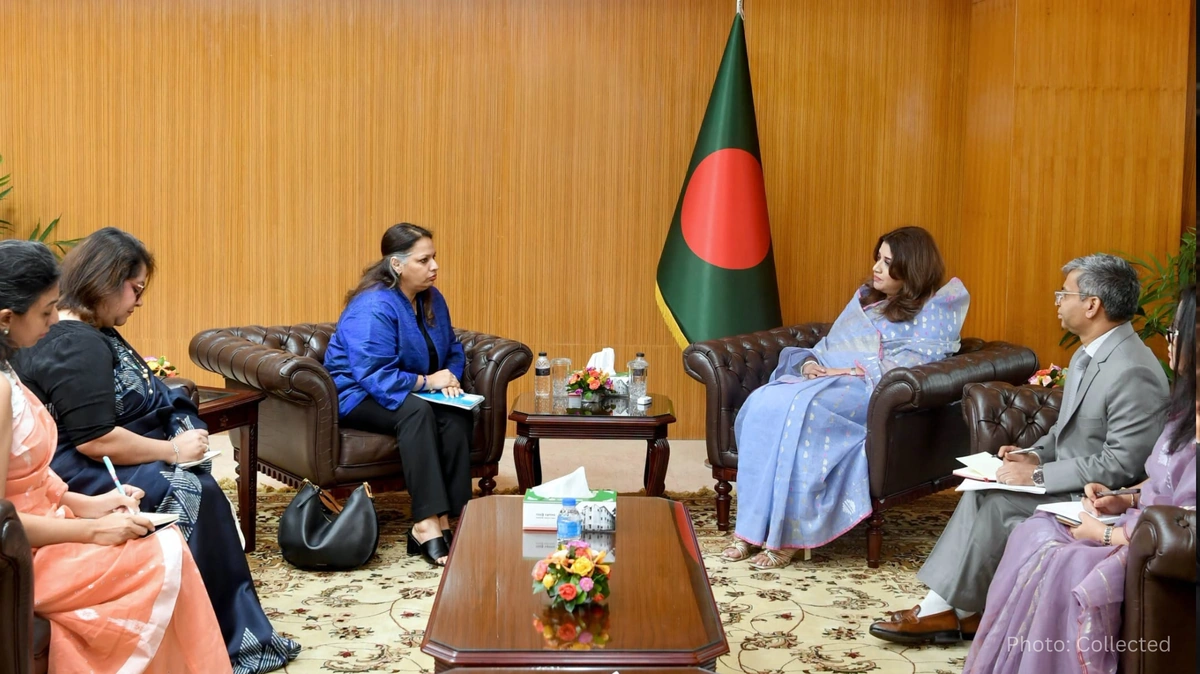
Bangladesh Seeks UN Women Support on Digital Harassment and Women’s Empowerment
-
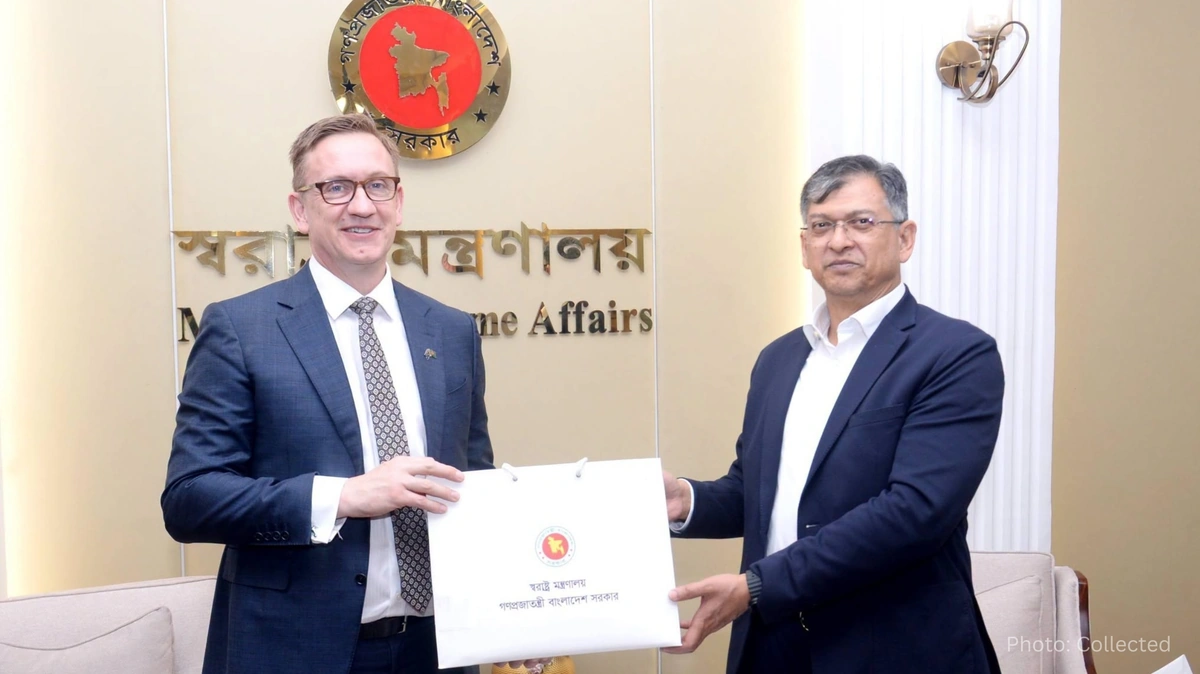
Bangladesh, Australia Discuss Human Trafficking, Irregular Migration and Rohingya Crisis
-
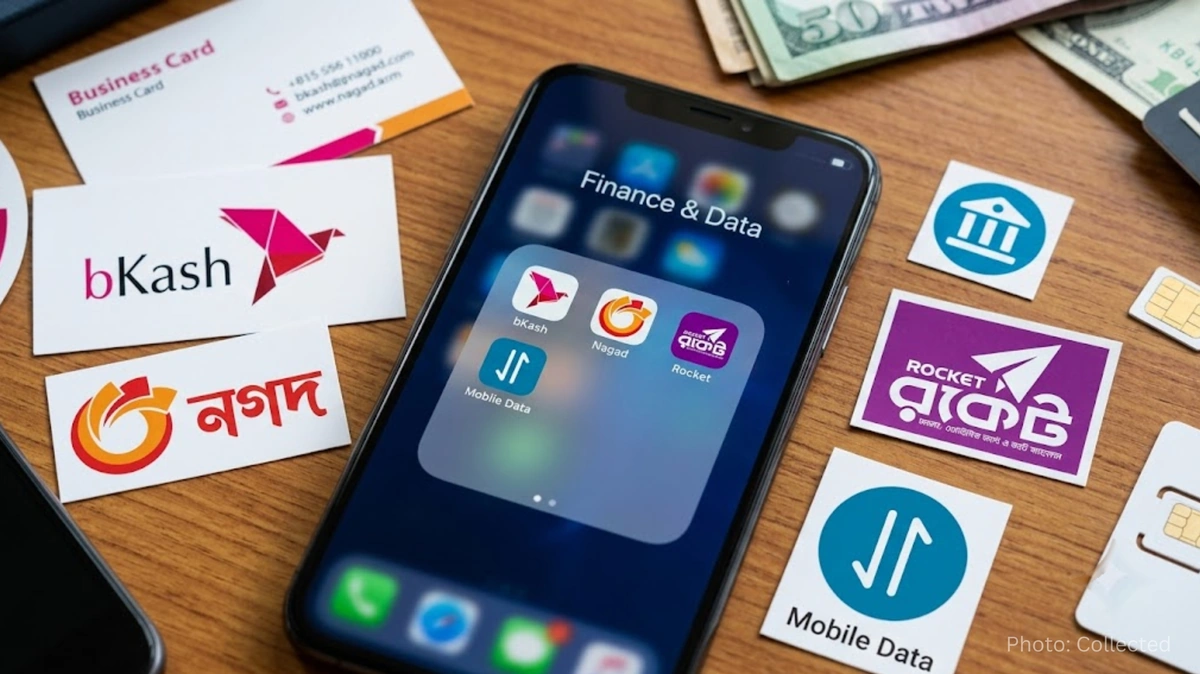
Bangladesh Plans Internet-Free Access to Mobile Banking and Financial Apps
-
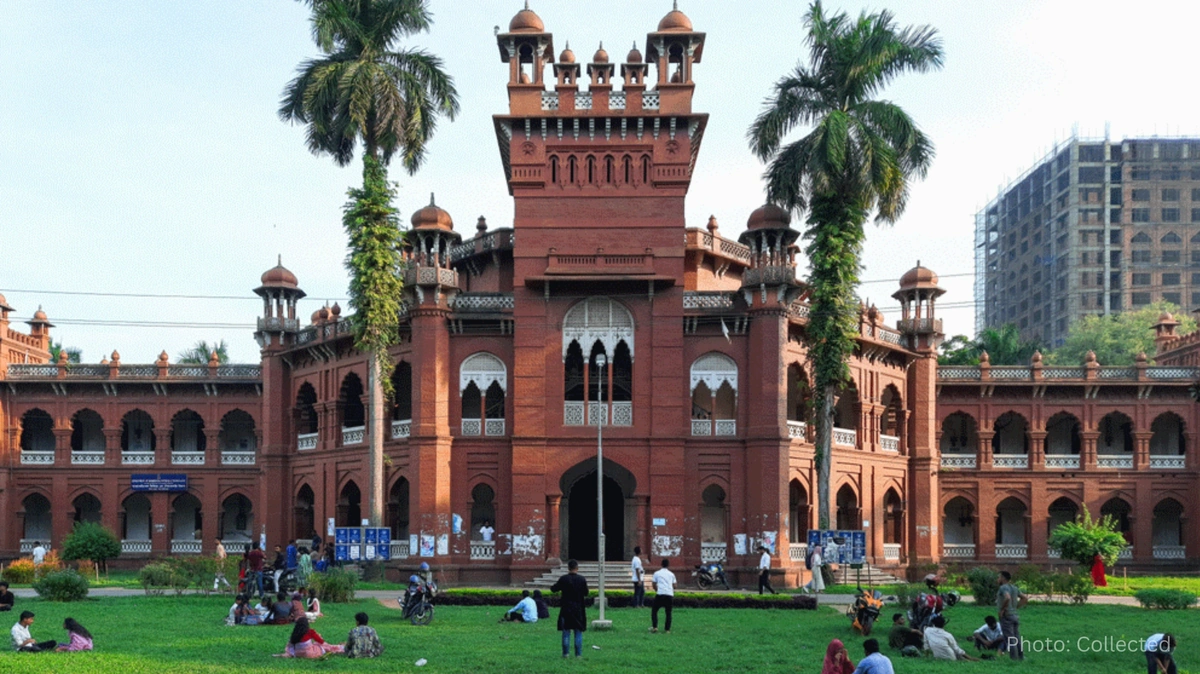
DU to Open Undergraduate Admission Applications on 11 November, Tests Begin 5 December


