Bangladesh seeks World Bank support for trade and export reforms
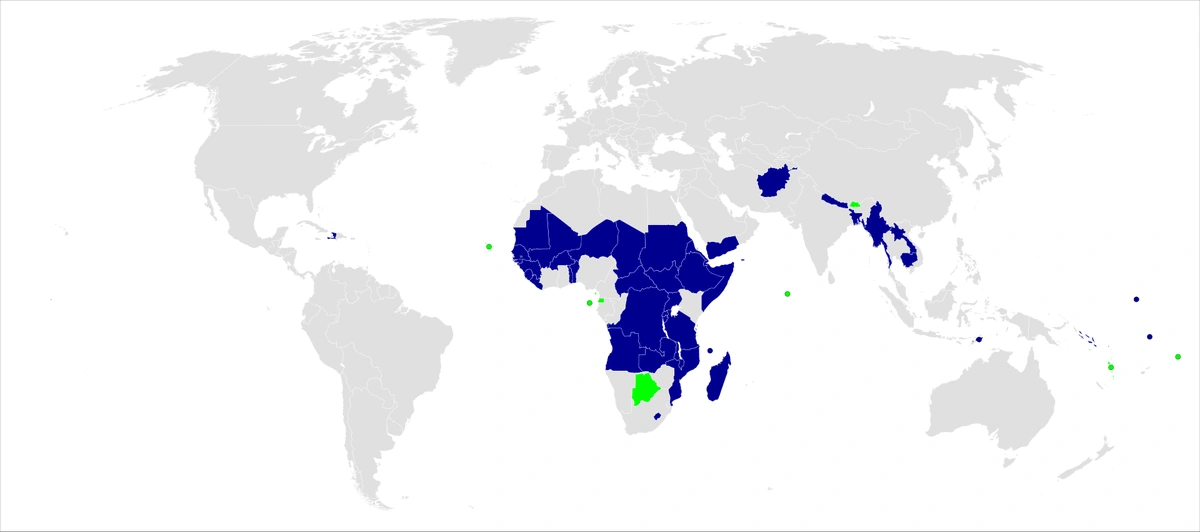
Bangladesh has requested World Bank support to digitise government services and streamline trade licences to a 14-day window. The initiative is part of a three-year plan to prepare the economy for graduation from the least developed country category.
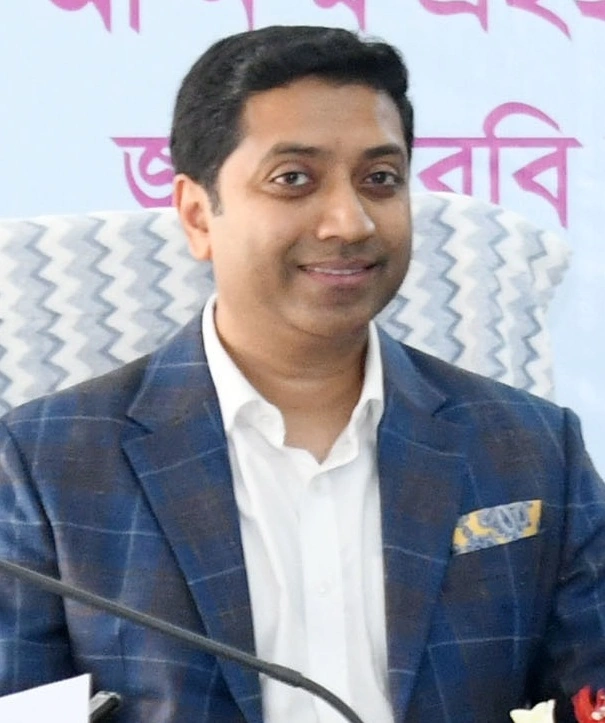
Bangladesh has formally requested policy and technical assistance from the World Bank to simplify business operations, digitise government services, and diversify its export base beyond readymade garments. Commerce Minister Khandakar Abdul Muktadir met with an eight-member World Bank delegation on Tuesday morning to discuss the reforms, which form a central pillar of a three-year action plan designed to prepare the nation for its upcoming graduation from the least developed country (LDC) category.
The government's primary strategy involves the full digitisation of business services through the National Single Window portal, managed under the Invest Bangladesh one-stop service. Minister Muktadir explained that business owners currently face significant administrative burdens, as they must visit multiple government offices to obtain trade licences, environmental clearances, fire safety certificates, and import registration certificates. By transitioning these services online, the government aims to eliminate bureaucratic delays and ensure that all necessary trade clearances are processed within a 14-day timeframe.
Export diversification is a core priority for the administration, with the minister identifying leather, non-leather footwear, shipbuilding, ship recycling, and light engineering as key sectors for expansion. To bolster the leather industry, the government plans to construct a new central effluent treatment plant at the Savar Leather Industrial City. This facility is intended to ensure compliance with international environmental standards and facilitate the acquisition of Leather Working Group certification.
The government is also working to formalise the gold industry, aiming to transition it from the informal sector into an institutional framework. The minister stated that this effort is intended to develop the sector into an export-ready jewellery industry within the next few years. Furthermore, the administration is taking steps to improve coordination among projects under the Annual Development Programme to prevent duplication and enhance the skills of project directors. As part of this institutional strengthening, there are plans to transform the Bangladesh Foreign Trade Institute into a specialised body.
In the international arena, Bangladesh is actively pursuing broader trade integration. Negotiations for economic partnership agreements are currently underway with Japan and South Korea, while free trade agreement talks are progressing with the United Arab Emirates, Malaysia, Singapore, and the European Union. Additionally, the government has secured in-principle approval to join the Regional Comprehensive Economic Partnership, a move expected to significantly expand the country's participation in global trade.
Jean Pesme, the World Bank's Division Director for Bangladesh and Bhutan, confirmed that the World Bank and the International Finance Corporation are prepared to provide technical support for trade facilitation, the implementation of the National Single Window, and research related to free trade agreements. He emphasised that both organisations are keen to work jointly to strengthen the capacity of the local private sector and manufacturers, specifically through financing and technical assistance for agro-processing and high-value-added manufacturing.
Sebastian Eckardt, the World Bank's Regional Practice Director for Prosperity, described the next three to four years as a critical window for Bangladesh as it approaches LDC graduation. He noted that if the country utilises this period to reform trade policy, remove tariff and non-tariff barriers, and integrate into global value chains, it will likely see substantial growth in foreign direct investment and employment. The World Bank has committed to providing training and technical assistance to strengthen the negotiating capacity of Bangladeshi officials during trade talks.
World Bank Lead Economist Souleymane Coulibaly added that reforming the country's para-tariff structure could play a vital role in improving economic efficiency and export competitiveness. Drawing on the experience of Vietnam, Coulibaly suggested that a combination of trade reforms and improved logistics infrastructure would significantly increase Bangladesh's actual export earnings and domestic employment opportunities.
You may like
Lipson: US-China healthcare ties can bridge diplomatic gaps
November 17, 2026

Isomorphic Labs raises $5bn in Series C funding for AI drug discovery
November 17, 2026
Bobby Hajjaj proposes 15-year roadmap for primary education reform
November 17, 2026
Bangladesh seeks World Bank support for trade and export reforms
November 17, 2026
Elected News
-
Bangladesh Seeks UN Women Support on Digital Harassment and Women’s Empowerment
-
Bangladesh, Australia Discuss Human Trafficking, Irregular Migration and Rohingya Crisis
-
Bangladesh Plans Internet-Free Access to Mobile Banking and Financial Apps
-
DU to Open Undergraduate Admission Applications on 11 November, Tests Begin 5 December


