Taiwan stocks rise as regulators tighten short-selling rules
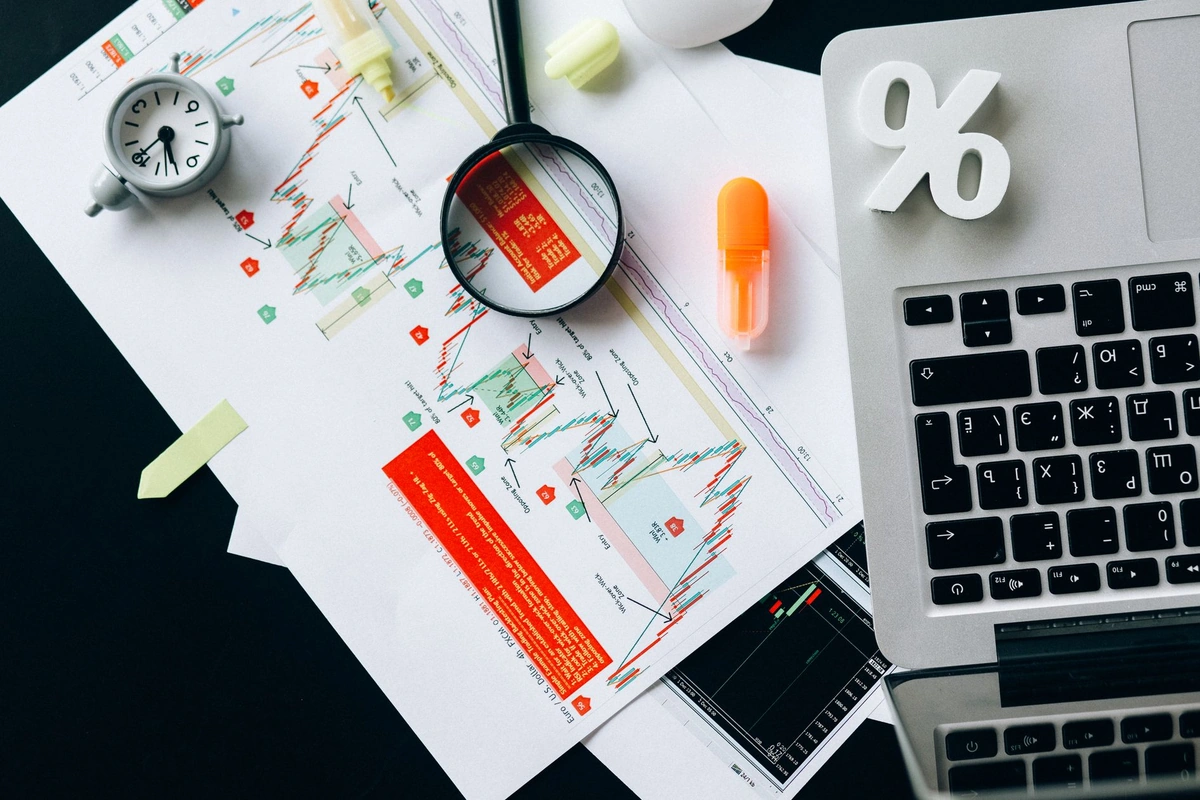
Taiwan's stock market rose by 2 per cent on Monday following new regulatory restrictions on short-selling. The move comes amid a wider period of volatility for global tech and AI-related stocks.
Taiwan's stock market rose 2 per cent on Monday as financial regulators implemented stricter rules on short-selling to curb market instability. The intervention followed a significant global downturn in technology and artificial intelligence-related shares that has left investors questioning the longevity of the recent AI-driven market rally.
The broader market environment remains volatile following a difficult week for global equities. In the United States, the Nasdaq index recorded a 10 per cent drop last week, marking its largest weekly decline since the pandemic-related market panic of March 2020. Taiwan’s chipmaker-heavy benchmark index experienced a similarly sharp decline, recording its biggest fall since 1990.
The downturn deepened for South Korea’s KOSPI index, which fell about 5 per cent on Monday to reach a 10-month low. This decline is particularly notable given that the KOSPI was one of the world's leading equity performers in the first half of the year, with bets on chip demand more than doubling the index’s value in six months. Following the recent rout, the index has halved from its peak, prompting South Korea's finance minister to reiterate plans to stabilise the market if necessary.
In China, stock exchanges announced a series of support measures, including the easing of requirements for margin financing, as markets in Hong Kong and China hit new multi-month lows. A Hong Kong index tracking AI stocks, spanning Chinese chipmakers and AI companies, has fallen nearly 60 per cent year to date.
Market sentiment has been heavily influenced by concerns over the sustainability of the 'AI trade', which has driven stock growth for roughly four years. Investors are increasingly questioning whether the vast sums of mostly borrowed money spent building data centres to power AI tools will generate profits large and fast enough to repay lenders. This shift in mood has been exacerbated by the faltering debut of AI leader Anthropic, which closed 8.5 per cent lower on its first full day of trading on Friday.
Damien Boey, a portfolio strategist at Wilson Asset Management in Sydney, noted that US markets spent three sessions in 'panic' territory last week. Boey suggested that without a policy pivot from central banks, investors may struggle to find a catalyst for a durable market recovery, leaving them cautious and uncertain. He stated that traders are currently finding it difficult to identify a clear reason for a sustained turnaround.
Despite the current volatility, some analysts maintain that AI-related spending remains robust. Morgan Stanley has forecast that hyperscaler capital expenditure will rise by more than 70 per cent next year, potentially exceeding $1.6 trillion. This investment is predicated on the assumption of explosive growth in computing demand for AI infrastructure.
Looking ahead, investors are awaiting further indicators of market health, including upcoming results from computer manufacturer Dell on Tuesday. Additionally, markets remain focused on whether the US Federal Reserve will raise interest rates next month. On Monday, US stock futures showed signs of recovery in Asian trading, with Nasdaq 100 futures bouncing nearly 3 per cent and S&P 500 futures rising by 2 per cent. Meanwhile, the strength of the US dollar continued to impact international currencies, lifting the dollar above 159 yen briefly and keeping the euro below $1.10.
You may like

Hathazari sweet red chillies reach Middle East markets
November 23, 2026

Kenya and DR Congo restore diplomatic ties after summit in Congo
November 23, 2026
Three dead after fire at candy factory in Indonesia's Banten province
November 23, 2026

Ukraine claims sinking of Russian corvette Merkury off Libya coast
November 23, 2026
Elected News
-

Bangladesh Seeks UN Women Support on Digital Harassment and Women’s Empowerment
-

Bangladesh, Australia Discuss Human Trafficking, Irregular Migration and Rohingya Crisis
-
Bangladesh Plans Internet-Free Access to Mobile Banking and Financial Apps
-
DU to Open Undergraduate Admission Applications on 11 November, Tests Begin 5 December


