UK actors secure new rights over digital replicas in AI deal
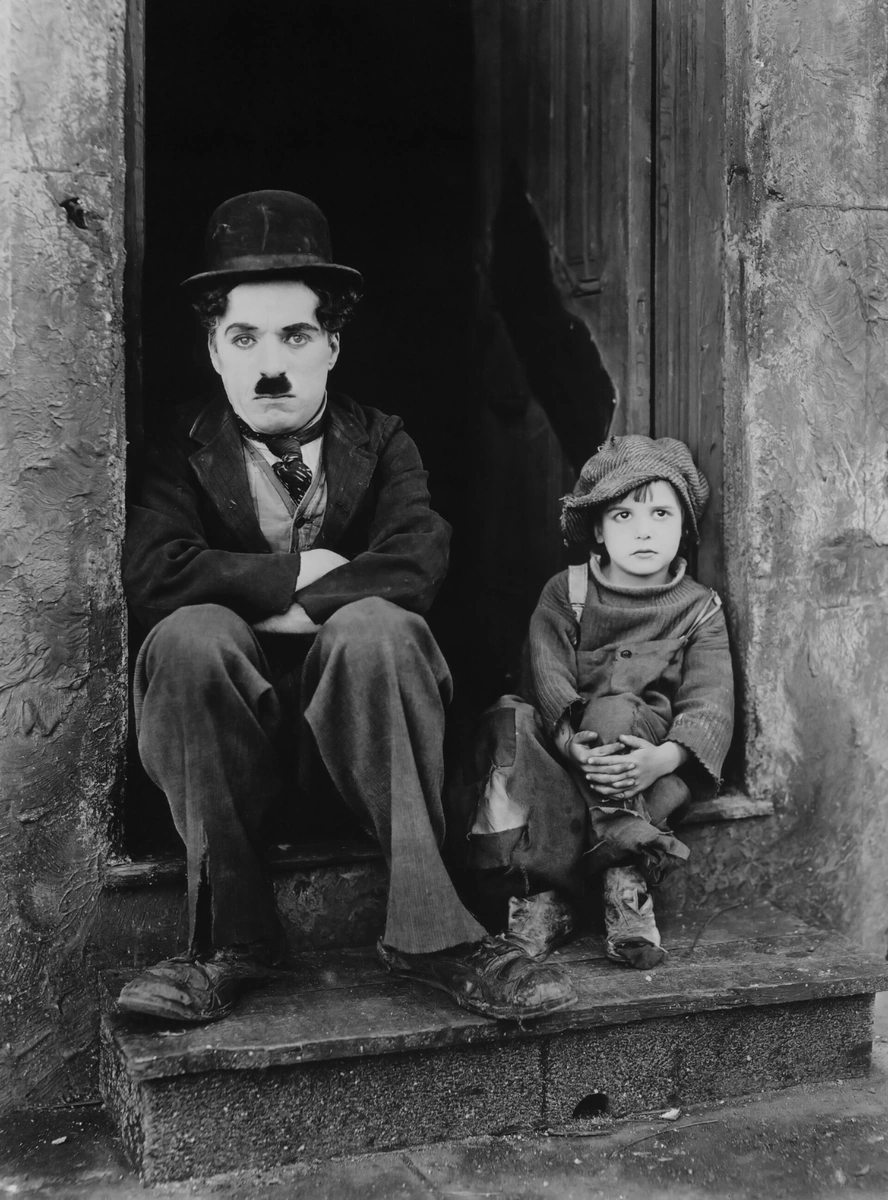
The actors' union Equity has reached a three-year agreement with UK producers to regulate the use of AI and digital replicas. The deal includes new consent rights for performers, pay increases, and enhanced workplace safety standards.
Actors in the UK are set to gain significant new rights over their digital replicas following a landmark three-year agreement between the performers' union, Equity, and the Producers Alliance for Cinema and Television (Pact). The deal, which follows years of negotiations, introduces mandatory consent and payment requirements for the use of digital doubles and alterations, addressing growing concerns regarding the deployment of artificial intelligence on film and television sets.
Under the terms of the agreement, producers must obtain specific permission from an actor before using their digital likeness. The contract explicitly prohibits the use of 'blanket consent', ensuring that rights are granted only for individual projects rather than as a broad, open-ended agreement. Furthermore, the deal stipulates that producers cannot use a digital replica during a strike in any scenario where consent is required for such use.
The agreement provides specific protections for sensitive scenes. Performers must provide approval if a digital double or digital alteration is used to make substantive changes to scenes involving agreed levels of nudity or simulated sexual activity. Additionally, producers are required to limit access to digital replicas to those with a legitimate business need and must employ commercially reasonable efforts to prevent unauthorised access, use, or copying of the data.
The deal follows an indicative ballot held last December, in which 99% of Equity members voted in favour of taking industrial action to demand better AI protections. Many performers had expressed unease over being subjected to body scans on set without clear guarantees regarding how the resulting data would be stored or utilised. Actor Olivia Williams, known for her work on 'The Crown' and 'Dune: Prophecy', previously told the Guardian that performers were regularly pressed to have their bodies scanned by banks of cameras with little clarity on the future use of that data. She argued that actors should have as much control over data harvested from body scans as they do over nudity scenes.
Despite these gains, Equity acknowledged that the agreement does not cover all aspects of the technology. The union noted that the deal does not establish explicit contract protections regarding the use of actors' performances for training AI systems. Furthermore, Equity explained in a note to members that digital replicas could potentially be generated using the same photography captured for the production itself, bypassing the need for dedicated body scans. The union also highlighted that the agreement cannot cover traditional digital scanning used in production for visual effects added later.
Paul W Fleming, Equity’s general secretary, described the deal as a groundbreaking effort to modernise terms for performers. He stated that the agreement ensures human performance is valued and prioritised across the industry, providing what the union considers to be the best AI provisions currently available in the business.
Beyond AI protections, the agreement includes a 24% pay increase for major film projects and a 9% rise for television work. It also introduces new industry standards for safe casting and audition spaces, as well as mandatory training and reporting procedures for sexual harassment. Producers are now also obligated to provide adequate hair and makeup resources for artists of all ethnicities and cultures.
The proposed three-year deal will now be put to a vote among 8,000 Equity members. The union's leadership has recommended that members approve the agreement.
You may like
Lipson: US-China healthcare ties can bridge diplomatic gaps
November 17, 2026
Isomorphic Labs raises $5bn in Series C funding for AI drug discovery
November 17, 2026

Bobby Hajjaj proposes 15-year roadmap for primary education reform
November 17, 2026
Bangladesh seeks World Bank support for trade and export reforms
November 17, 2026
Elected News
-
Bangladesh Seeks UN Women Support on Digital Harassment and Women’s Empowerment
-

Bangladesh, Australia Discuss Human Trafficking, Irregular Migration and Rohingya Crisis
-
Bangladesh Plans Internet-Free Access to Mobile Banking and Financial Apps
-

DU to Open Undergraduate Admission Applications on 11 November, Tests Begin 5 December


