Health Consequences of Frequent Late-Night Wakefulness
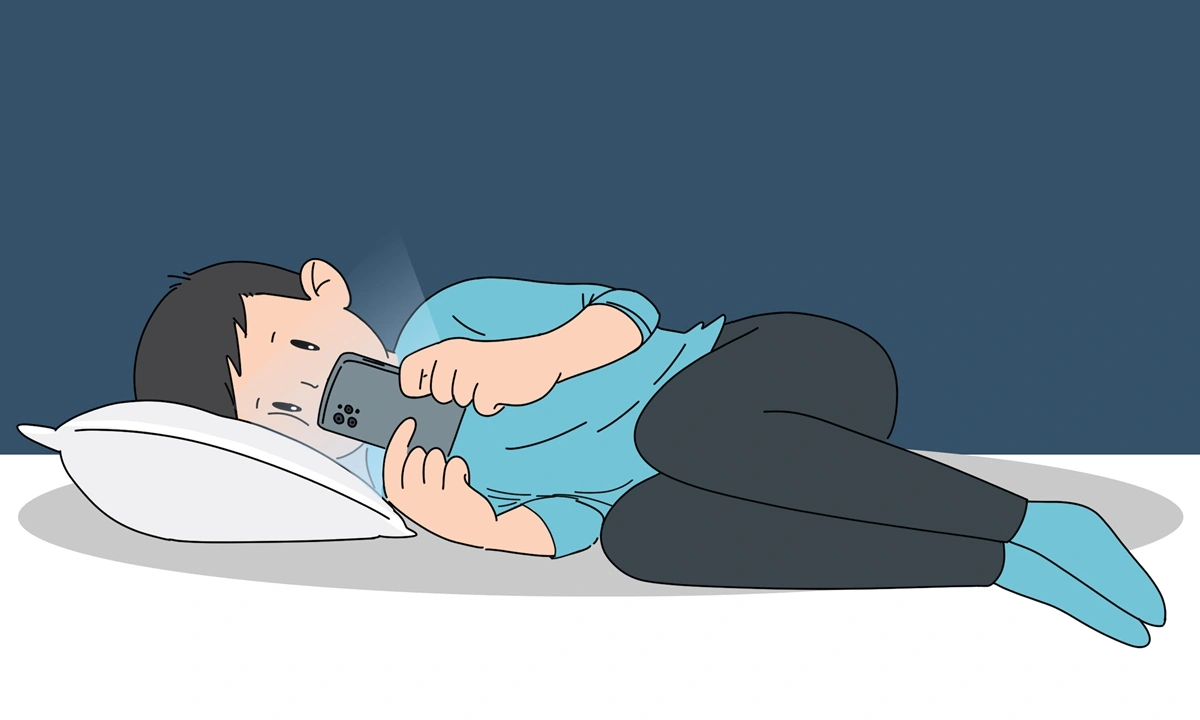
One of the most common habits among teenagers and young adults in our modern life is staying up late. In this age of technology, staying awake at night for work, studies, or entertainment has become a daily routine. However, we often remain indifferent to how much this habit can negatively affect our body and mind.
The Harmful Effects of Excessive Late-Night Wakefulness
Excessive staying up late can have serious physical and mental consequences. Various studies have shown that regularly staying up late can even shorten a person’s lifespan.
Let’s explore the health risks associated with staying up late:
Effects on Physical Health
The body requires adequate rest for all organs and systems to function properly. Staying up late regularly disrupts sleep, preventing the body from getting sufficient rest. This habit poses a serious threat to physical health.
Physical risks include:
-
Increased Risk of Heart Disease:
Staying up late puts severe stress on the heart. During sleep, blood pressure naturally decreases, but insufficient sleep increases stress hormones like adrenaline and cortisol, keeping blood pressure elevated for longer periods. Over time, this can lead to heart muscle damage and significantly increase the risk of heart attacks and strokes. Studies have shown that people who regularly stay up late have a higher risk of heart failure, irregular heartbeat, and hypertension. -
Risk of Diabetes:
Lack of sleep reduces the body’s insulin sensitivity and disrupts hormonal balance, causing blood sugar levels to fluctuate and increasing the risk of type 2 diabetes. Research shows that individuals sleeping less than six hours per night have approximately 40% higher risk of developing diabetes. -
Weight Gain and Obesity:
Sleep deprivation slows down metabolism and affects hunger-regulating hormones (leptin and ghrelin). This leads to increased nighttime hunger and a tendency to eat unhealthy foods, promoting fat accumulation and obesity. -
Weakened Immune System:
During sleep, the body repairs itself and strengthens the immune system. Inadequate sleep disrupts this process, making the body more susceptible to illnesses such as cold, flu, and infections. Chronic sleep deprivation may even increase the risk of serious diseases like cancer. -
Skin Damage:
Staying up late or lack of sleep reduces collagen production, leading to dry, dull skin, premature wrinkles, and dark circles under the eyes, diminishing the skin’s natural beauty. -
Digestive Problems:
Insufficient sleep can disrupt the digestive process, causing stomach pain, gas, indigestion, and constipation. In some cases, it can worsen symptoms of Irritable Bowel Syndrome (IBS).
Additionally, staying up late often results in constant fatigue, which hampers daily activities.
Effects on Mental Health
Along with physical harm, staying up late deeply affects mental health:
-
Depression and Anxiety:
Sleep deprivation can lead to long-term depression and anxiety. Staying up night after night increases mental stress, reduces the release of “feel-good” hormones, and ultimately affects mood. -
Mood Swings and Lack of Focus:
Regular lack of sleep can make a person irritable. Minor issues may trigger anger or frustration, impairing attention, memory, and decision-making, which can negatively affect personal and professional relationships. -
Worsening of Mental Illness:
Individuals with mental health conditions may see their symptoms intensify if they don’t get adequate sleep. In extreme cases, sleep deprivation can cause hallucinations and even aggressive behavior toward others.
Gradually, staying up late weakens the mind, negatively impacting daily life and physical health.
While staying up late may feel temporarily necessary or convenient, its long-term consequences are severe. It not only harms physical and mental health but also affects professional and social life. For a healthy and productive life, it is essential to get regular, sufficient sleep.
Remember, the human body operates according to a biological clock (circadian rhythm). Disrupting this natural rhythm can lead to serious health consequences.
Related News
You may like



Tom Holland Says Marvel Has a Plan for the Next Spider-Man
August 1, 2026
Elected News
-

Bangladesh Seeks UN Women Support on Digital Harassment and Women’s Empowerment
-

Bangladesh, Australia Discuss Human Trafficking, Irregular Migration and Rohingya Crisis
-

Bangladesh Plans Internet-Free Access to Mobile Banking and Financial Apps
-

DU to Open Undergraduate Admission Applications on 11 November, Tests Begin 5 December


