Keeping Pets at Home May Boost the Human Immune System
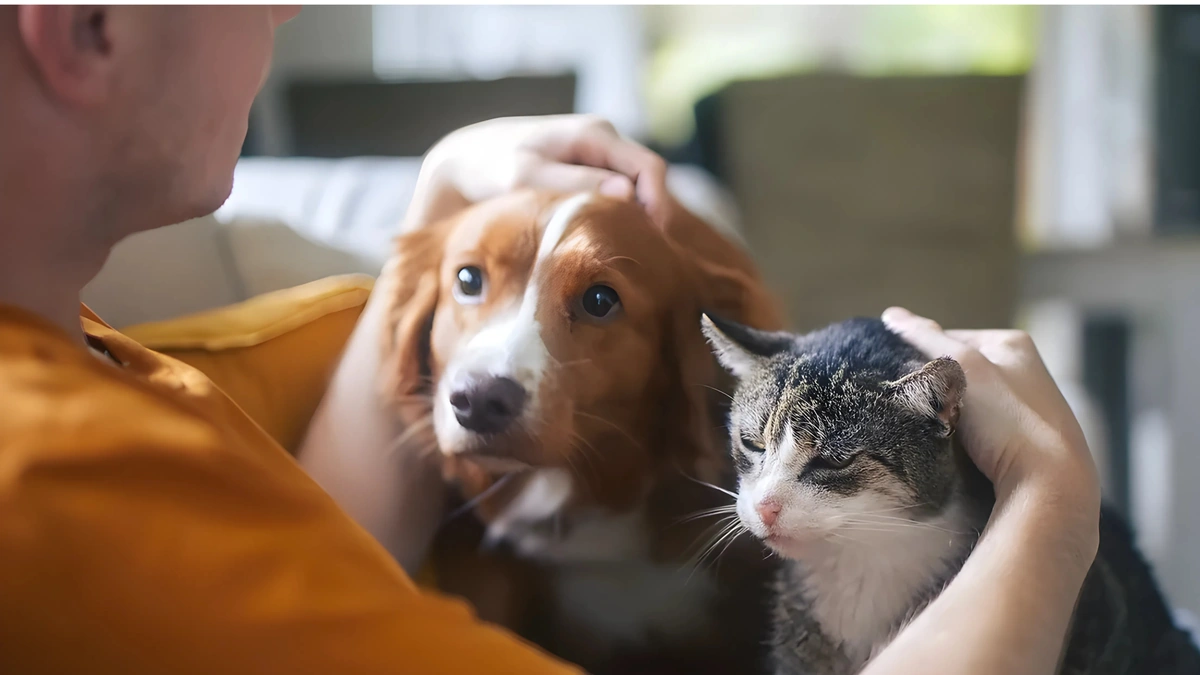
The presence of pets at home can significantly influence the human immune system. According to researchers, having pets may reduce the risk of allergies, eczema or skin irritation, and even autoimmune diseases such as thyroid disorders and type 1 diabetes.
The Amish migrated from Central Europe to North America in the 18th century and are still known today for their distinct way of life. Traditionally, they live simply, avoiding most modern technology. They raise livestock for dairy production and use horse-drawn carriages just as their ancestors did for centuries.
The Amish prioritize family and community, choosing to follow ancestral ways of living rather than embracing modern conveniences. Their lifestyle has drawn the attention of many over the years, including Hollywood screenwriters, documentary filmmakers, and sociologists, who are fascinated by their way of life.
But in the past decade, their lifestyle has also caught the attention of medical researchers.
A Modern Medical Mystery
Why? Because the Amish have largely avoided a growing modern health trend: the rising incidence of immune-related diseases. Since the 1960s, rates of asthma, eczema, and allergies have surged globally but not among the Amish.
This anomaly provides insights not only into how the human immune system functions but also into how exposure to animals may shape its development.
A Groundbreaking Study
In 2012, a group of researchers studied members of the Amish community living in Indiana to understand why certain immune-related illnesses were less common among them.
They also studied another group the Hutterites, a similar farming-based community living in South Dakota. In both cases, the researchers collected blood samples from 30 children.
The Hutterites, like the Amish, value community and have European ancestry. They are also less exposed to polluted air and eat fewer processed foods.
Yet, the findings were striking: the incidence of asthma and childhood allergies among Hutterite children was 4 to 6 times higher than among Amish children.
What's the Difference?
The researchers dug deeper and discovered a key distinction: industrialized farming.
The Hutterites have fully adopted modern agricultural technology, whereas the Amish continue to farm using traditional methods. As a result, Amish children grow up in close contact with animals and the microbes those animals carry.
This early exposure to a diverse microbial environment seems to help train their immune systems, making them more resilient to allergic diseases.
Expert Insight
This difference was explained by Professor Fergus Shanahan, Emeritus Professor at the Department of Medicine, University College Cork, Ireland.
He noted:
“If you look at an Amish homestead and compare it to that of the Hutterites, you'll see that the Amish live on farms with their animals. The Hutterites live in small villages, and their farms are often several miles away.”
This environmental distinction may be a crucial factor in how their immune systems develop.
A Landmark Study
A team of researchers from the United States and Germany conducted a detailed investigation and concluded that the low allergy risk among Amish children was directly related to the environment they were raised in.
Their findings were published in 2016 and have since been considered groundbreaking in the fields of immunology and public health.
The Amish lifestyle simple, traditional, and closely tied to nature offers valuable insights into how modern living may be affecting our immune systems. While most of the world has become increasingly urbanized and sanitized, the Amish have remained connected to animals and nature, perhaps gaining microbial protection that others have lost.
This research doesn't just shed light on the Amish it raises broader questions about how modern life might be weakening our immune defenses and how early microbial exposure, including that from animals, could be essential for long-term health.
Related News
You may like




Tom Holland Says Marvel Has a Plan for the Next Spider-Man
August 1, 2026
Elected News
-

Bangladesh Seeks UN Women Support on Digital Harassment and Women’s Empowerment
-

Bangladesh, Australia Discuss Human Trafficking, Irregular Migration and Rohingya Crisis
-

Bangladesh Plans Internet-Free Access to Mobile Banking and Financial Apps
-

DU to Open Undergraduate Admission Applications on 11 November, Tests Begin 5 December


