Itlos rejects Argentina's bid to suspend Falkland Islands oil project
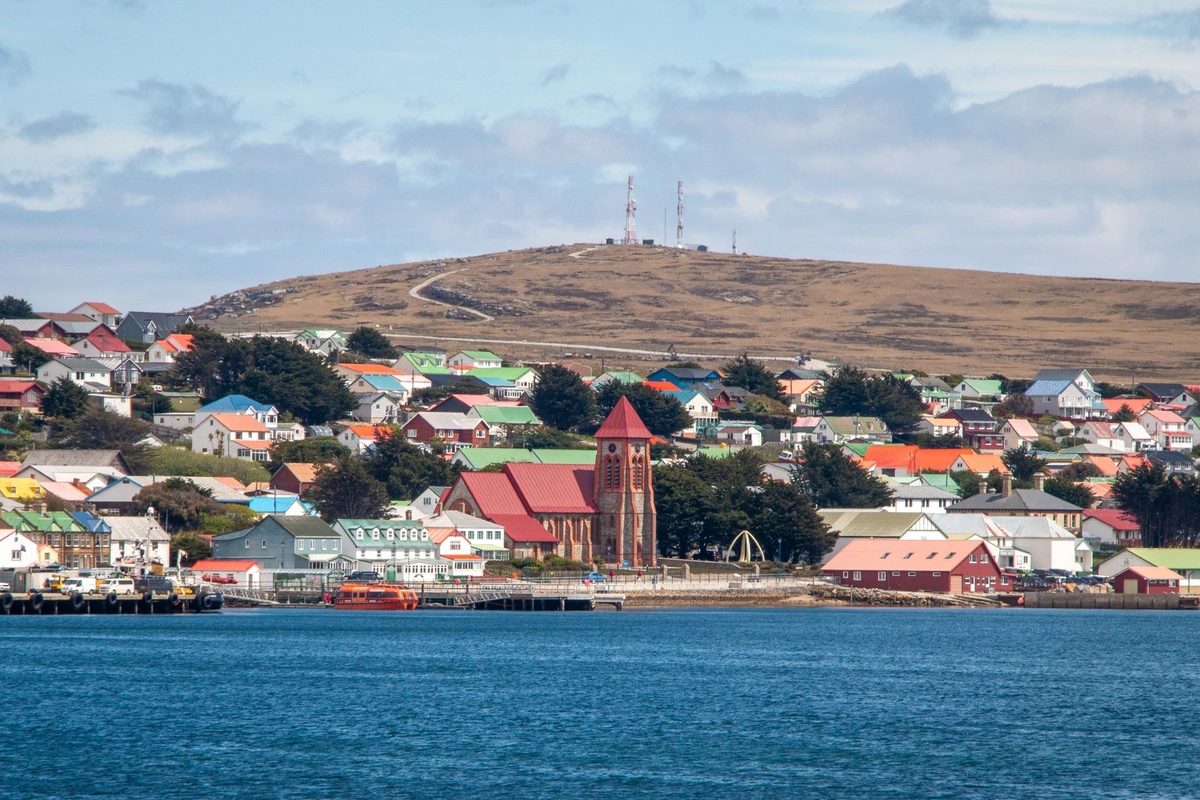
The International Tribunal for the Law of the Sea has rejected Argentina's attempt to block the Sea Lion oil project near the Falkland Islands. The tribunal ruled it lacked jurisdiction, allowing the project to proceed as planned.
The International Tribunal for the Law of the Sea (Itlos) has rejected an application by Argentina to suspend the Sea Lion oil project off the coast of the Falkland Islands. In a ruling delivered on Saturday, the tribunal concluded that the matter fell outside its jurisdiction, as it could not adjudicate on underlying questions of sovereignty.
The decision followed a vote in which 18 judges supported the rejection of Argentina's claims, while three voted in favour. Maurice Kamga, the president of Itlos, confirmed the outcome during a hearing in Hamburg, Germany. The legal challenge had sought a temporary injunction to halt the project until a full arbitration process could be completed.
The Sea Lion project, located in the North Falkland basin, is a joint venture led by the Israeli firm Navitas and its British partner, Rockhopper. The initiative is expected to commence drilling in March, with oil extraction scheduled to begin in 2028. The project is projected to operate for 35 years and could potentially double the GDP of the Falkland Islands, providing an estimated cumulative uplift of £8bn.
Following the ruling, the UK government urged Argentina to cease its economic pressure on the territory. In a joint statement, Foreign Secretary Ed Miliband and Attorney General Ellie Reeves welcomed the decision as a vindication of the UK's legal position. They reiterated the British government's stance on the sovereignty of the islands and the right of the islanders to self-determination.
Argentina, which refers to the islands as Las Malvinas, maintains that the project constitutes an illegal exploitation of natural resources. A spokesperson for President Javier Milei stated that the ruling was not the final word on the matter and confirmed that the government has initiated new sanction proceedings against five entities involved in the exploration. Buenos Aires argues that the project violates UN resolutions regarding unilateral actions in disputed territories.
Mario Oyarzábal, the chief legal adviser to Argentina's ministry of foreign affairs, had argued during the proceedings that revenue from the drilling would serve to finance the military presence that sustains British control of the territory. Conversely, the UK government argued that a suspension would have devastating consequences for the islanders and their right to develop their own resources.
While the tribunal's decision allows the project to proceed, the broader dispute over the archipelago remains subject to future arbitration. The Falkland Islands, a British overseas territory, have been a point of contention between the UK and Argentina for decades, including during the 1982 conflict. Despite the legal setback, the Argentinian government has vowed to continue pursuing its claims through all available diplomatic and legal channels.
A spokesperson for Navitas welcomed the tribunal's decision to reject the request for provisional measures, noting that the company remains focused on the responsible development of the project under licences issued by the Falkland Islands government. The firm also expressed appreciation for the UK government's support regarding the development.
You may like

Australia conservatives win Victoria election and defeat Labour
November 29, 2026

Nasscom report: AI to reshape India's IT services market
November 28, 2026
Itlos rejects Argentina's bid to suspend Falkland Islands oil project
November 28, 2026

Uganda launches Africa's first mRNA Ebola vaccine trial for children
November 28, 2026
Elected News
-

Bangladesh Seeks UN Women Support on Digital Harassment and Women’s Empowerment
-

Bangladesh, Australia Discuss Human Trafficking, Irregular Migration and Rohingya Crisis
-

Bangladesh Plans Internet-Free Access to Mobile Banking and Financial Apps
-

DU to Open Undergraduate Admission Applications on 11 November, Tests Begin 5 December


