Trump warns AI firms on overseas data centres as Senate passes bill
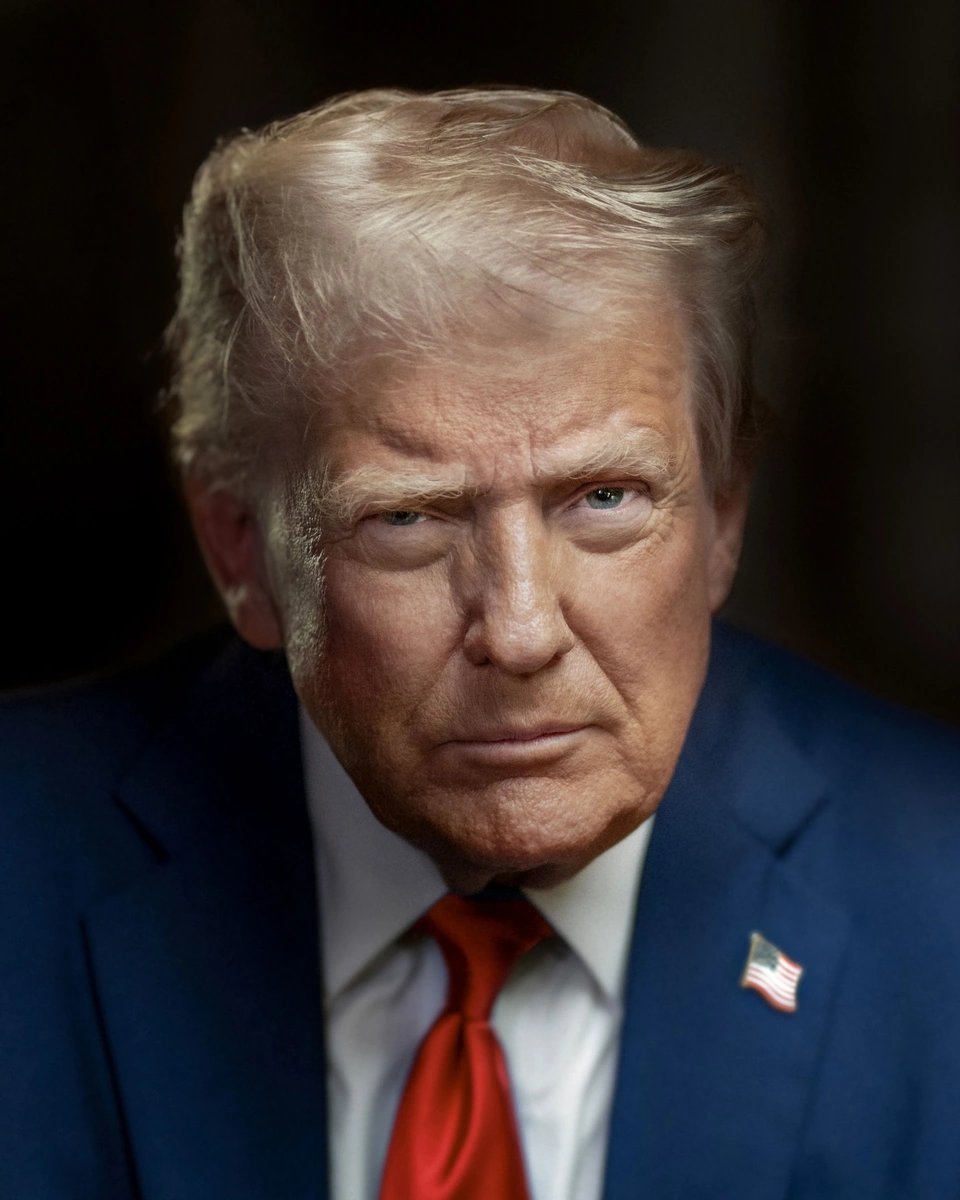
US President Donald Trump has threatened a tax on American tech firms building AI data centres overseas to maintain an edge over China. Meanwhile, the US Senate passed a bipartisan bill to accelerate domestic energy infrastructure permitting.
US President Donald Trump has threatened to impose a "tremendous tax" on American companies that construct artificial intelligence data centres overseas, arguing that foreign expansion risks eroding the country's technological standing. The warning came as the United States Senate passed bipartisan legislation designed to accelerate permitting for domestic energy infrastructure while requiring technology firms to cover their own power requirements.
Speaking to reporters at the White House on Friday after returning from a trip to Asia, Trump stated that the penalty was necessary to protect national interests in artificial intelligence. He claimed that the United States currently holds an advantage over China in developing what he called "super intelligence," but warned that domestic opposition to infrastructure projects could hinder further progress.
Trump acknowledged during his remarks that he had not yet discussed the proposed tax with his administration staff. Consequently, specific details regarding how the tax would be structured or enforced remain unconfirmed.
The presidential proposal follows mounting public resistance across the United States to the construction of large computer facilities. Opposition has grown over concerns regarding high electricity consumption, heavy water usage, and environmental impacts. According to an AP poll, around three-quarters of registered voters oppose the construction of new data centres within their local communities.
To resolve local disputes, Trump suggested that technology firms negotiate directly with communities hosting prospective projects. He recommended that companies offer financial incentives, including local tax benefits, reduced utility bills for residents, direct monetary payments, and dedicated funding for local public school teachers.
Major technology firms, including Google and Meta, have already committed to measures intended to ease public concern. The companies have pledged increased operational transparency, enhanced environmental safeguards, and financial incentives for affected communities.
Alongside the White House policy statements, the US Senate approved bipartisan legislation aimed at streamlining the federal permitting process for energy infrastructure. The measure requires data centre operators to pay for their electricity consumption and cover the cost of related power grid upgrades.
The bill now moves to the United States House of Representatives for consideration. Trump welcomed the legislative progress, stating that faster energy permits would help facilitate the large-scale domestic construction needed to sustain technological growth.
You may like

Hathazari sweet red chillies reach Middle East markets
November 23, 2026

Kenya and DR Congo restore diplomatic ties after summit in Congo
November 23, 2026

Three dead after fire at candy factory in Indonesia's Banten province
November 23, 2026

Ukraine claims sinking of Russian corvette Merkury off Libya coast
November 23, 2026
Elected News
-

Bangladesh Seeks UN Women Support on Digital Harassment and Women’s Empowerment
-

Bangladesh, Australia Discuss Human Trafficking, Irregular Migration and Rohingya Crisis
-

Bangladesh Plans Internet-Free Access to Mobile Banking and Financial Apps
-

DU to Open Undergraduate Admission Applications on 11 November, Tests Begin 5 December


