Leny Yoro red card against Alexander Isak sparks fierce debate
By Sports Desk
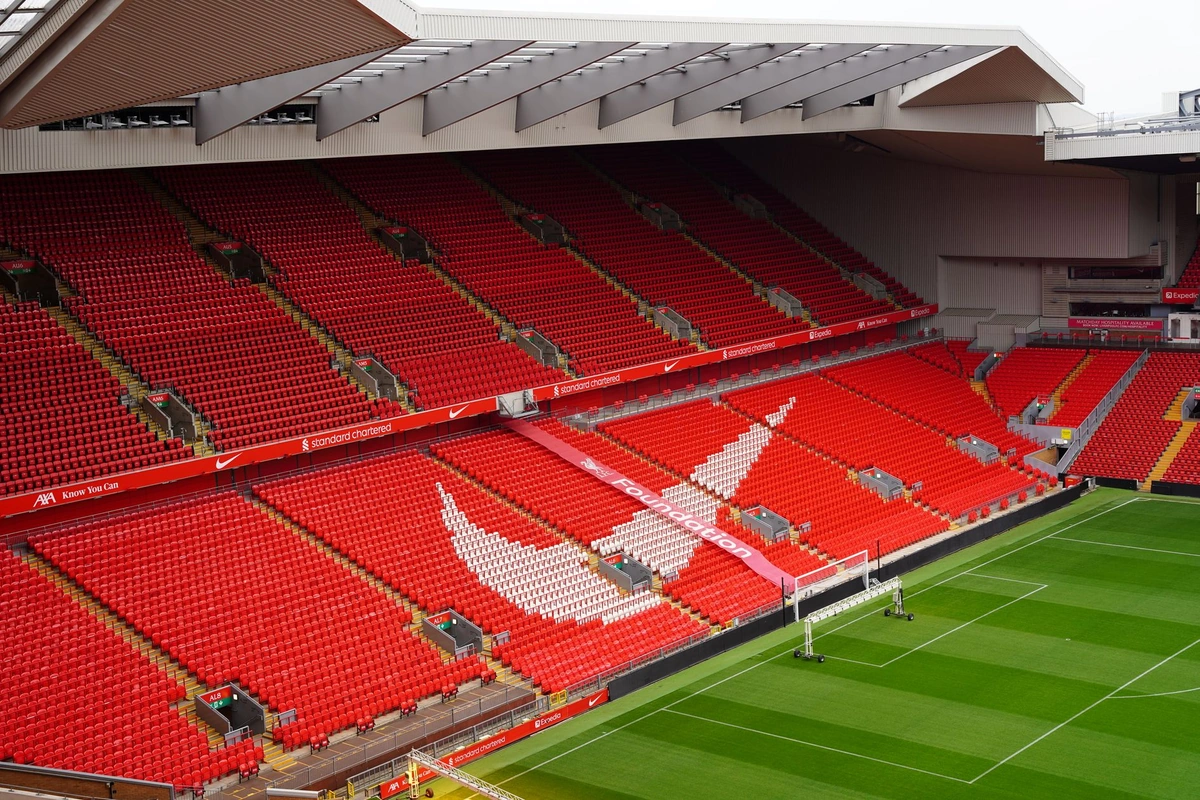
A red card issued to Leny Yoro for bringing down Alexander Isak during a Premier League fixture has ignited widespread debate. Referees, pundits and players remain divided over whether the challenge truly denied an obvious goalscoring opportunity.
A red card issued to Leny Yoro for a challenge on Alexander Isak during a Premier League fixture has ignited widespread debate among pundits, managers and players regarding the denial of an obvious goalscoring opportunity. Referee Sam Barrott did not hesitate to give the foul and send off Yoro after the defender bundled into the back of the Sweden international during the match between Liverpool and Manchester United.
The passage of play began when Ronald Araujo launched a long ball upfield for Isak to chase into open space. The Liverpool striker took a heavy touch that sent the ball a few yards ahead of him before Yoro brought him down with a clumsy challenge from behind. Because the heavy touch occurred prior to any contact from Yoro, analysts noted that the defender's challenge itself did not cause Isak to overrun the ball.
Under football regulations, four key factors determine the denial of an obvious goalscoring opportunity. These criteria include the distance between the offence and the goal, the location and number of defenders and attackers, and the likelihood of keeping or gaining control of the ball. With Isak running directly towards goal centrally and no covering defender present, three of the conditions were met, leaving the entire decision to hinge on Isak's prospect of reaching the ball ahead of goalkeeper Senne Lammens.
The referee and the video assistant referee, John Brooks, had to assess whether Isak would definitely have reached the ball ahead of Lammens and whether it would have resulted in a clear scoring chance. Rule guidelines state that if any doubt exists regarding control, the punishment should not be a red card. Due to the borderline nature of the incident, the video assistant referee was not expected to intervene for a clear and obvious error, leaving the on-field decision intact.
Opinions on the pitch and in the television studios were sharply divided over whether the dismissal was justified. Former Liverpool midfielder Danny Murphy stated on Match of the Day that there was no doubt about the correctness of the red card. Former Manchester United defender Gary Neville echoed support for the decision during his analysis on Sky Sports, describing Yoro's defensive positioning as poor and late. Neville noted that Yoro had to cover the space and failed, calling the action clumsy and lamenting the defender's naivety in leaving his team a man down.
Conversely, Liverpool boss Iraola saw no controversy in the outcome of the challenge. Speaking after the fixture, the manager maintained that Yoro was clearly the last man and that the dismissal was a straightforward red card offence. His view stood in stark contrast to the fierce anger expressed within the opposing camp regarding the match-defining moment.
Manchester United captain Bruno Fernandes strongly disagreed with the dismissal, arguing it had a detrimental and unfair impact on the game. Fernandes told Sky Sports that players are instructed during briefing sessions that a red card is never warranted if the attacker is not in complete control of the ball. He added that the squad holds far too many meetings with officials only for such costly mistakes to recur, pointing out that Isak had kicked the ball forward into the hands of the goalkeeper without holding any real control.
Fernandes further complained about the volume of officials on the pitch and inside the video review room taking excessive time to arrive at incorrect conclusions. While acknowledging that the sending-off did not excuse his team conceding a subsequent goal from a free-kick, he insisted that the red card fundamentally altered the competitive balance of the fixture.
Managerial frustration extended further as Pochettino voiced concerns over apparent inconsistencies in officiating across the division. The former Chelsea boss highlighted an incident moments before the red card where Jeremy Jacquet went shoulder to shoulder with Bryan Mbeumo, arguing that his side should have received a penalty instead. Pochettino suggested that if the challenge by Yoro on Isak constituted a red card, the physical contest involving Mbeumo certainly warranted a penalty for his team.
The intense debate echoes similar controversial officiating incidents from earlier in the season that exposed ongoing rifts over rule interpretations. Brighton previously saw Pascal Struijk sent off at Sunderland following a video review for a foul on Wilson Isidor. The Seagulls successfully appealed against that red card on the grounds that there was clear doubt over whether Isidor could take control of the ball before it ran through to goalkeeper Bart Verbruggen.
Despite the Football Association regulatory commission unanimously ruling that the Struijk red card was incorrect, the Premier League key match incidents panel subsequently voted 3-2 that the video assistant referee intervention was a correct call. The split verdict highlighted the deep divisions existing even among official governing bodies regarding subjective challenges.
In another fixture involving similar penalty box dynamics, Ipswich defender Issa Diop avoided a red card for a foul on James McAtee against Nottingham Forest when the referee disagreed with the video official over the presence of a covering defender. Forest manager Oliver Glasner remained adamant that the incident was a clear goalscoring opportunity, noting that the same referee, Thomas Bramall, officiated both matches to demonstrate the enduring subjectivity in such crucial officiating decisions.
You may like

Hathazari sweet red chillies reach Middle East markets
November 23, 2026

Kenya and DR Congo restore diplomatic ties after summit in Congo
November 23, 2026

Three dead after fire at candy factory in Indonesia's Banten province
November 23, 2026
Ukraine claims sinking of Russian corvette Merkury off Libya coast
November 23, 2026
Elected News
-

Bangladesh Seeks UN Women Support on Digital Harassment and Women’s Empowerment
-

Bangladesh, Australia Discuss Human Trafficking, Irregular Migration and Rohingya Crisis
-

Bangladesh Plans Internet-Free Access to Mobile Banking and Financial Apps
-

DU to Open Undergraduate Admission Applications on 11 November, Tests Begin 5 December


