Signal blocks screenshots on Android and iOS to stop AI reading chats
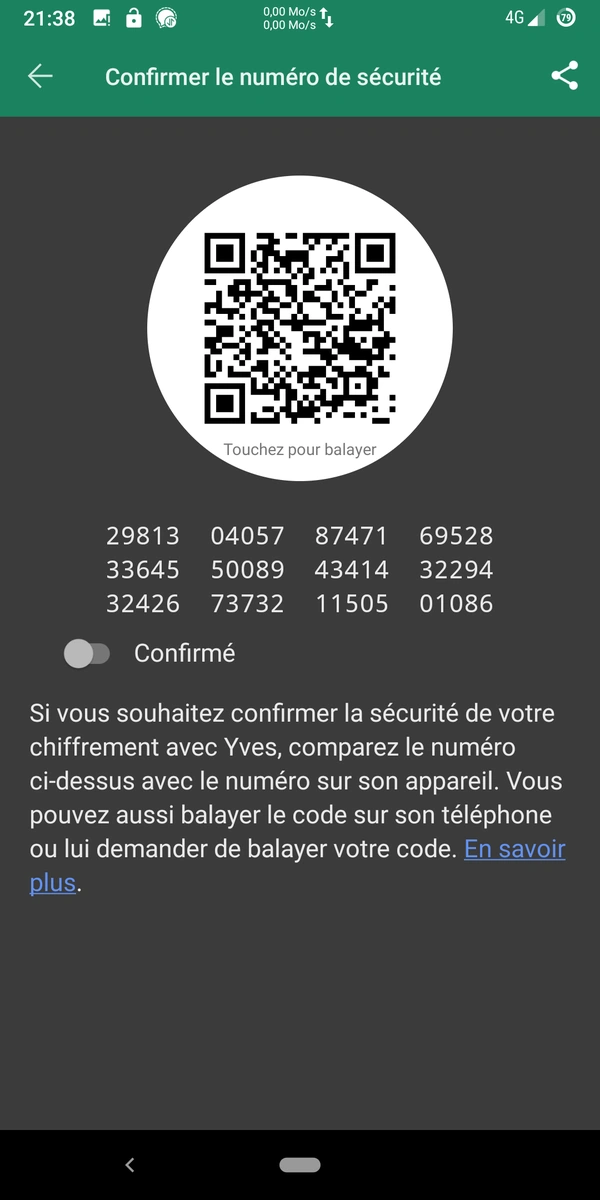
Signal has restricted screenshots on Android and iOS devices to block AI agents from reading user messages. President Meredith Whittaker warned that operating system AI integrations pose an existential threat to application privacy.
Encrypted messaging service Signal has introduced new restrictions on Android and iOS devices to block screenshots by default. The update aims to prevent artificial intelligence agents built into operating systems from reading user messages and other sensitive data displayed on screens.
Signal president Meredith Whittaker stated in a blog post that agentic AI capabilities are undermining the platform's ability to independently guarantee privacy. Whittaker noted that operating systems maintain the environment in which applications exist, and that recent integrations are making that environment increasingly hostile to user privacy.
The screenshot-blocking remedy is designed to stop built-in assistants such as Apple's Siri and Google's Gemini from reading on-screen content. Users retain the option to restore screenshot capabilities through the app settings, though Whittaker cautioned that doing so could expose their communications to AI agents and break existing privacy guarantees.
Signal acknowledged that its current defence is incomplete because it does not address alternative pathways for AI access, such as retrieval via the device file system. The organisation previously adopted a similar approach to prevent Microsoft's Recall feature from capturing secured chats, though it remains unable to implement reliable protections on Apple's macOS.
The messaging platform criticised major technology providers including Google, Apple, and Microsoft for failing to supply easy ways for developers to restrict AI data access without compromising the core user experience. Signal called on these companies to provide simple technical tools and accurate documentation.
Concerns have mounted regarding how deeply AI tools integrate into consumer hardware. Reports previously indicated that Meta's Muse agent could bypass standard boundaries by utilising deep accessibility settings and screenshot tools to extract text from applications like Signal on both Android and Apple devices.
An operating system update from Apple recently addressed specific pathways used by such tools, while introducing new permission frameworks accompanied by additional user warnings. Meta stated that agents require visibility into user devices to function effectively and that tools like Muse operate only through permissions explicitly granted by the user.
Signal is urging the tech industry to recognise that operating system integrations without common-sense remedies represent an existential threat to application-layer privacy. The organisation maintains that independent developers require straightforward mechanisms to opt their applications out of data processing by AI assistants entirely.
The non-profit messaging application relies on end-to-end encryption and minimal data storage on its servers to maintain user security. Operating system level AI features bypass these app-level protections by capturing data directly from the display or memory.
Apple, Google, and Microsoft did not immediately respond to requests for comment regarding Signal's public statements and technical updates. Signal continues to advocate for common-sense regulatory and technical boundaries to protect independent software developers.
You may like

Anthropic CEO Dario Amodei says AI can accelerate drug discovery
November 20, 2026

Bangladesh targets December for Malaysia worker flight resumption
November 20, 2026

Anthropic completes record US$81.3bn IPO, shares surge 17 per cent
November 20, 2026

Apple hires engineer to build agentic AI assistant
November 20, 2026
Elected News
-

Bangladesh Seeks UN Women Support on Digital Harassment and Women’s Empowerment
-

Bangladesh, Australia Discuss Human Trafficking, Irregular Migration and Rohingya Crisis
-
Bangladesh Plans Internet-Free Access to Mobile Banking and Financial Apps
-

DU to Open Undergraduate Admission Applications on 11 November, Tests Begin 5 December


