Anthropic CEO Dario Amodei says AI can accelerate drug discovery
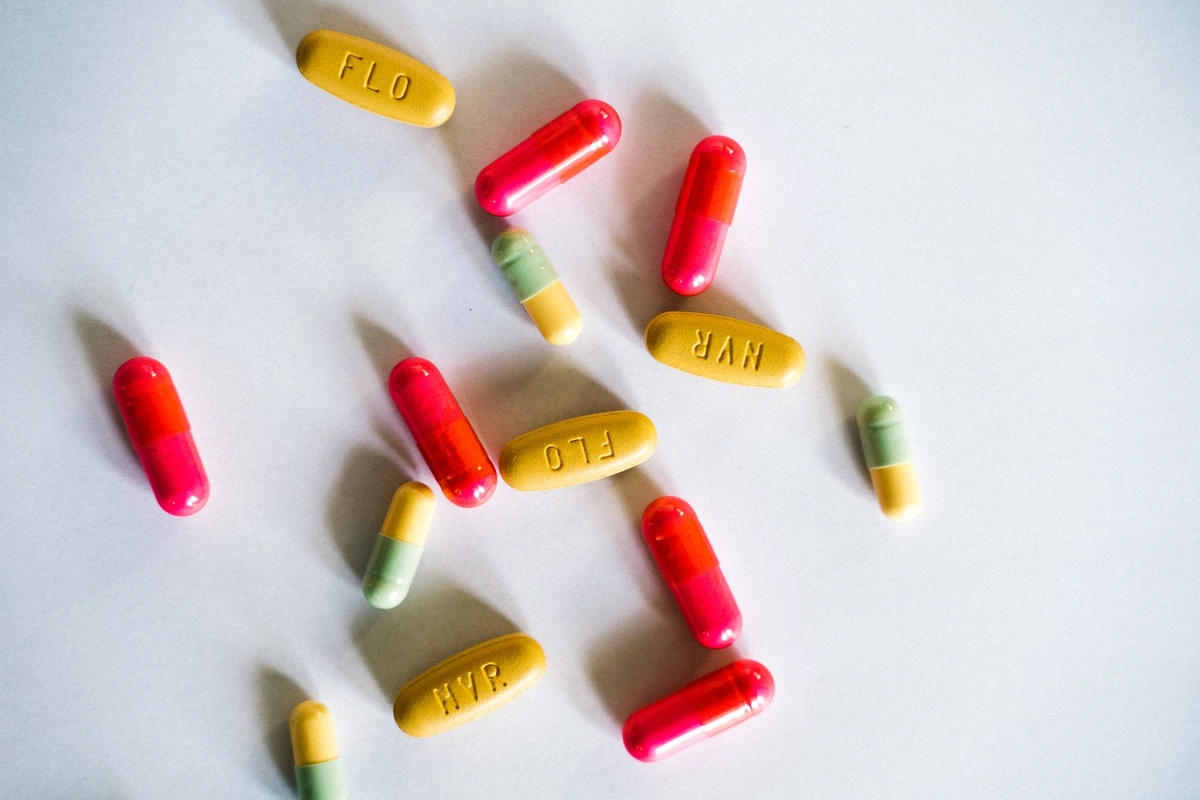
Pharmaceutical companies are increasingly integrating artificial intelligence into drug discovery processes to reduce development timelines. Meanwhile, artificial intelligence firms like Anthropic are forming partnerships and seeking acquisitions in the sector.
Pharmaceutical companies are increasingly integrating artificial intelligence into drug discovery processes to reduce development timelines, while artificial intelligence firms like Anthropic are forming partnerships and seeking acquisitions in the sector. Speaking at the Nasdaq before shares began trading, Anthropic Chief Executive Officer Dario Amodei stated that the technology can substantially accelerate research efforts. He reflected on his father passing away from a disease shortly before a cure was found, expressing hope that future families might avoid missing a treatment by a narrow margin.
Although clinical trials and experiments will still take time, Amodei stated his belief that these processes can be substantially accelerated by artificial intelligence. Industry lobby group PhRMA notes that nearly 9 out of 10 drugs developed using conventional methods fail in clinical trials, while bringing a successful medication to market can cost billions of dollars and take 10 to 15 years. Major pharmaceutical companies are actively gauging whether technology upstarts can succeed in tackling complex diseases.
Aliza Apple, who runs Eli Lilly and Company's TuneLab, which gives smaller biotechnology firms access to some of the drugmaker's internal artificial intelligence models to promote collaboration, stated that claims made by Amodei and the founders of Alphabet Inc's Isomorphic Labs regarding the capacity to cure all diseases overstate current capabilities. Apple stated that it would be great for them to cure a single disease before discussing broader aspirations, viewing the firms alternately as allies and competitors.
Despite cautions from some industry figures, pharmaceutical scientists report that their internal artificial intelligence programmes are already yielding concrete results. French drugmaker Sanofi stated that it saved at least a year developing the asthma treatment lunsekimig by using an artificial intelligence-enabled approach to translate early biology into clinical decisions, which allowed the company to skip a dose-selection study. Swiss multinational Novartis reported that artificial intelligence tools helped identify five targets prioritized for developing kidney disease treatments.
Fiona Marshall, president of biomedical research at Novartis, stated that the average time from a project start to establishing a drug candidate has decreased from three years down to 18 months or two years. Marshall noted that the company has had a large amount of data and can now use it in a much more sophisticated way. Bristol Myers Squibb reported that one of its sickle cell anaemia candidates would not have been developed without its artificial intelligence systems.
Chief Research Officer Robert Plenge at Bristol Myers stated the company uses the technology to refine new molecules and run simulations based on trial data to determine which candidates should progress. Plenge added that the next area for the company is to tie those models into laboratory automation to make better, high-quality molecules faster. Novo Nordisk reported that artificial intelligence has cut the number of cycles for designing, manufacturing, and testing new molecules from around eight down to three, while slashing the time of each cycle from eight weeks to four.
Matt Truppo, global head of computational and artificial intelligence strategy for Sanofi research and development, expects the technology to cut early-discovery timelines by 20% to 25% within two years, and potentially by half within five years across more than 100 drug development programs. Truppo added that it may be some time before this can be expanded beyond treatment areas where the company has the most proprietary data. Executives from Sanofi and Novo Nordisk clarified that they do not provide proprietary data to frontier laboratories to train foundational artificial intelligence models, emphasizing that internal data remains essential for successful application.
Despite advancements in the laboratory, the number of artificial intelligence-enabled drugs in clinical testing has climbed incrementally. Researchers identified 129 drug candidates across 69 companies in March, representing an increase from about 117 candidates eight months earlier, with most programmes remaining in early-stage development. Dr Waqas Haque, an oncology fellow at the University of Chicago who participated in compiling the data, stated he does not believe artificial intelligence-developed drugs will be approved any quicker than conventional drugs due to bottlenecks inherent in human trials and regulatory processes. However, Dr Haque anticipates a sharp uptick in preclinical development and clinical trials over the next one to three years.
Anthropic has actively expanded its footprint in the life sciences sector by launching research-focused software called Claude Science and adding Novartis Chief Executive Officer Vas Narasimhan to its board. The company is working independently and with partners such as Bristol Myers Squibb to develop new treatments, while other companies including Novo Nordisk use Anthropic models in their research and development work. Anthropic's Amodei has long maintained that curing disease is one of the main benefits artificial intelligence can provide to humanity.
Luca Giani, a senior principal at venture capital firm Alumni Ventures, stated that Anthropic and rival frontier laboratories are actively shopping for pharmaceutical-related acquisitions to secure more data and proprietary companies. Giani noted that even before its $1.5 trillion IPO, Anthropic announced several partnerships and an acquisition. Representatives for Anthropic did not respond to requests for comment regarding acquisition plans or the exact nature of their relationships with drugmakers.
Industry leaders hold varied perspectives on the role of artificial intelligence companies, viewing them alternately as allies, competitors, or vendors. Eli Lilly's Apple noted that while these firms initially framed themselves as vendors, they are increasingly seen as collaborators, though she acknowledged that a year ago they were not doing any programmes and a year from now remains uncertain. Conversely, GSK Chief Scientific Officer Tony Wood stated he views Anthropic as a competitor, whereas Bristol Myers and Novo Nordisk lean toward viewing them as partners.
You may like
Anthropic CEO Dario Amodei says AI can accelerate drug discovery
November 20, 2026
Bangladesh targets December for Malaysia worker flight resumption
November 20, 2026

Anthropic completes record US$81.3bn IPO, shares surge 17 per cent
November 20, 2026

Apple hires engineer to build agentic AI assistant
November 20, 2026
Elected News
-

Bangladesh Seeks UN Women Support on Digital Harassment and Women’s Empowerment
-

Bangladesh, Australia Discuss Human Trafficking, Irregular Migration and Rohingya Crisis
-

Bangladesh Plans Internet-Free Access to Mobile Banking and Financial Apps
-

DU to Open Undergraduate Admission Applications on 11 November, Tests Begin 5 December


