Are weight-loss food supplements effective and safe?
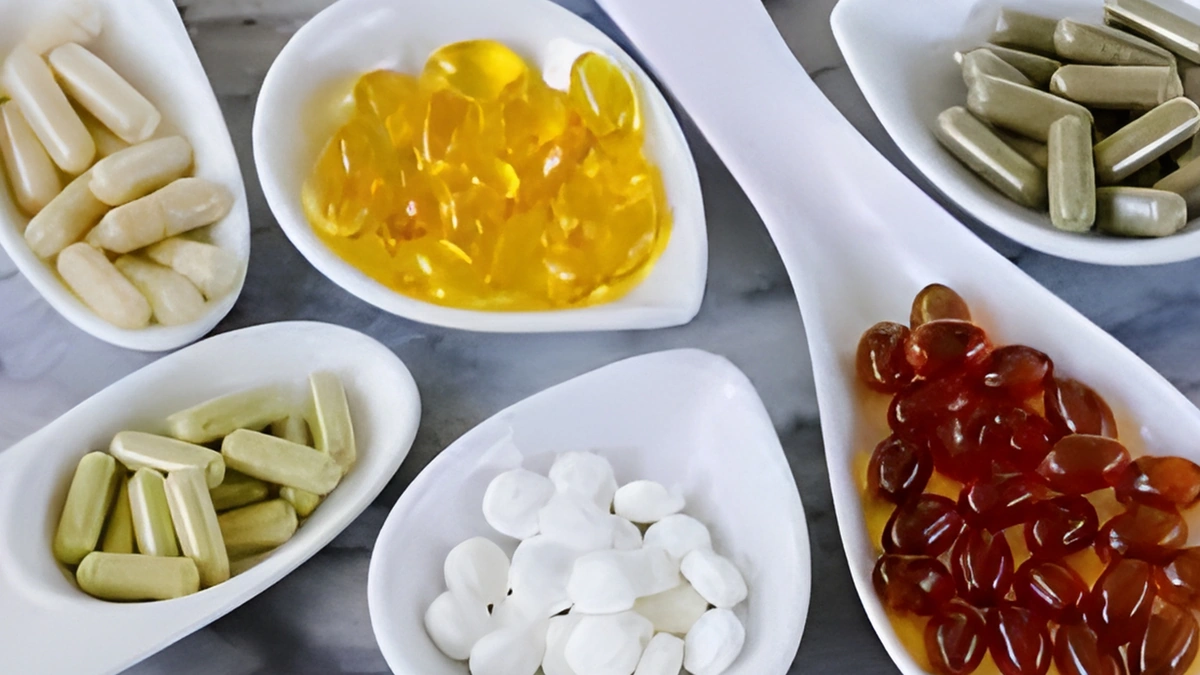
As an alternative, the use of various food, protein, and vitamin supplements has become very popular. In particular, many types of food supplements for weight loss are available on the market, often at a high cost. Attractive claims are made to promote these products for weight loss. But are they really effective and safe?
Each food supplement claims to have a very low glycemic index, between 30 and 35. It is also said to be formulated as a balanced diet, providing all the nutrients the body needs. They are also promoted as being high in fiber.
What is essential for weight loss
Doctors and researchers say that there is no substitute for a proper balanced diet plan and regular walking or exercise to lose weight.
It is possible to lose weight by eating ordinary, everyday meals prepared for the family in moderate amounts and in a balanced way.
If you want to lose weight, try to include low-glycemic index and high-fiber foods in your daily balanced diet plan.
High-calorie and high-sugar foods should be avoided.
At the same time, physical activity and calorie expenditure are needed. That’s enough.
Foods that help reduce weight
There are many inexpensive foods around us that are low in glycemic index, low in glycemic load, and high in fiber. We can choose these foods for weight loss purposes.
For example, barley flour has a glycemic index between 25 and 30, much lower than any commonly available food supplement. Red flour and red rice also have relatively low glycemic indices, between 40 and 50.
These foods are not only low in glycemic index but also high in fiber. Additionally, apples, berries, papaya, and guava have very low glycemic indices. All types of lentils and nuts also have very low glycemic indices.
Almost all vegetables, except for potato, taro, colocasia, yam, pumpkin, and banana, have very low glycemic index and glycemic load.
Milk is a well-balanced food containing all types of nutrients. Its glycemic index is around 35, which is very low.
The daily requirement for all the vitamins and minerals found in food supplements can be met through local fruits and vegetables.
For example, an adult woman needs about 75 mg of vitamin C daily, and an adult man needs about 90 mg.
Eating just 20–25 grams of amla, 100 grams of gooseberry, or one medium-sized guava per day is enough to meet our daily vitamin C requirement.
When Food Supplements Are Needed
Food supplements can be used for critically ill patients in the ICU or CCU who are unable to chew and eat solid food.
However, supplements should not be taken on one’s own, as they can damage the liver and kidneys.
Food supplements should not be consumed unnecessarily. Always consult a doctor or nutritionist before use.
Related News





You may like




Tom Holland Says Marvel Has a Plan for the Next Spider-Man
August 1, 2026
Elected News
-
Bangladesh Seeks UN Women Support on Digital Harassment and Women’s Empowerment
-
Bangladesh, Australia Discuss Human Trafficking, Irregular Migration and Rohingya Crisis
-
Bangladesh Plans Internet-Free Access to Mobile Banking and Financial Apps
-
DU to Open Undergraduate Admission Applications on 11 November, Tests Begin 5 December


