Eating too fast? It could spell trouble for your body!
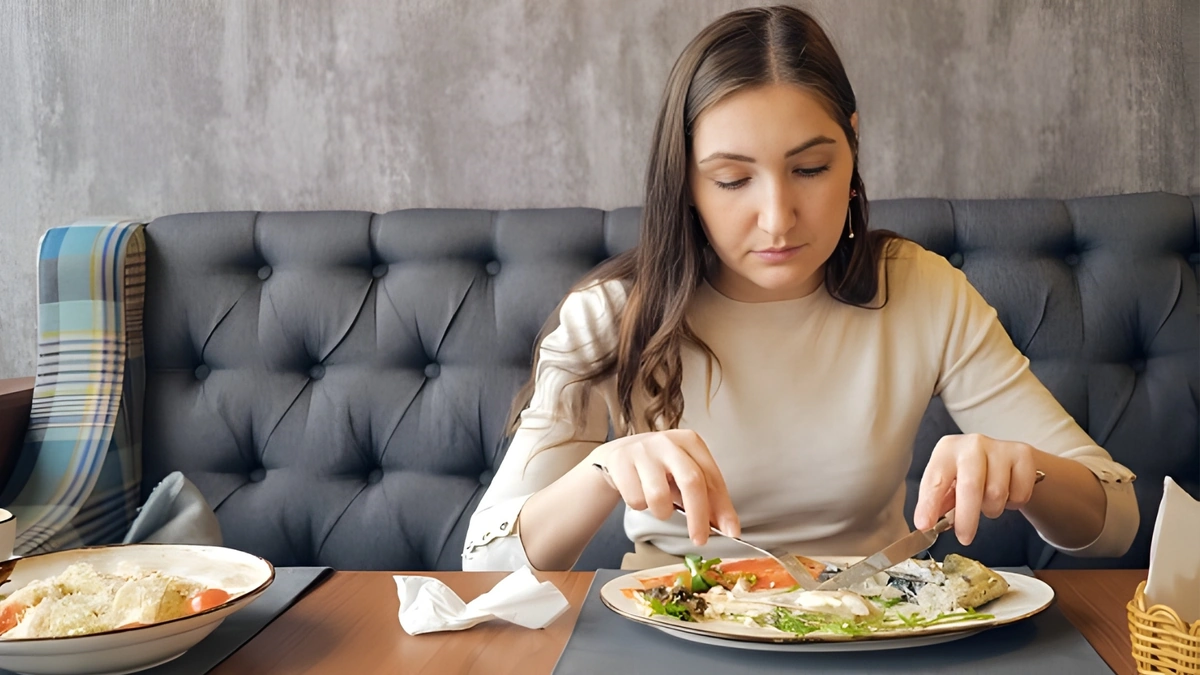
Do you finish your breakfast, lunch, or dinner in less than 20–30 minutes every day? If so, beware! Eating too quickly can pose serious risks to your health.
Eating Slowly is as Important as Eating Nutritiously
Experts believe that eating nutritious food is essential, but eating slowly is equally important. Along with consuming plenty of vegetables and fruits, taking time to chew food properly is crucial for maintaining good health.
They warn that eating too quickly can pose risks. Fast eating increases the chance of food getting stuck in the throat and prevents the brain from signaling when enough food has been consumed. This often leads to overeating and weight gain.
It’s not just about digestion. If a meal that took hours to prepare is finished in a few minutes, it can be frustrating for the cook. Likewise, if one person eats slowly while another finishes in an instant, it can be awkward socially. However, regardless of others’ opinions, it’s important to be mindful of your own health. Here are some expert recommendations.
How Fast is “Too Fast”?
According to experts, finishing breakfast, lunch, or dinner in less than 20–30 minutes counts as eating too quickly.
Leslie Heinberg, an expert at the Cleveland Clinic’s Center for Behavioral Health, explains, “It takes about 20 minutes for the stomach to signal the brain that it is full.” Those who eat rapidly often do not receive this signal, leading them to consume more than necessary.
Risks of Overeating
Many may wonder if eating a little extra rice or an extra piece of bread really matters. Experts say it does.
Leslie notes that eating quickly can cause people to swallow excess air, leading to bloating and indigestion. Inadequate chewing can also impair digestion, preventing proper absorption of nutrients, and in some cases, food particles may get stuck in the esophagus.
Studies have shown that fast eaters are more prone to weight gain, whereas those who eat slowly are less likely to face this risk.
How to Slow Down Your Eating
For those who habitually eat quickly, this may sound worrying but there’s good news: experts offer solutions.
Leslie advises avoiding distractions like TV or mobile phones while eating. Watching TV often keeps people eating until the show or advertisement ends, ignoring the brain’s fullness signals. Similarly, multitasking while eating can lead to overeating and less enjoyment of meals.
Changing long-standing habits can be challenging but not impossible. Experts suggest practical tips:
-
Try eating with your non-dominant hand.
-
Use utensils you’re not accustomed to, such as chopsticks.
-
Take small breaks during meals.
Sarah Berry, lead researcher at British nutrition company Joie, recommends paying attention to your food whenever possible, despite busy daily schedules.
Helen McCarthy, a British psychologist, advises chewing food more thoroughly and taking more time with each bite, which naturally slows down eating. She also points out that fast food is soft and easy to consume quickly, so it’s better to eat vegetables and protein-rich foods that require more chewing.
Key Takeaways:
-
Eating slowly aids digestion and nutrient absorption.
-
It helps prevent overeating and weight gain.
-
Paying attention while eating, chewing thoroughly, and choosing foods that take longer to chew can help develop a slower, healthier eating habit.
Related News
You may like



Tom Holland Says Marvel Has a Plan for the Next Spider-Man
August 1, 2026
Elected News
-

Bangladesh Seeks UN Women Support on Digital Harassment and Women’s Empowerment
-

Bangladesh, Australia Discuss Human Trafficking, Irregular Migration and Rohingya Crisis
-
Bangladesh Plans Internet-Free Access to Mobile Banking and Financial Apps
-

DU to Open Undergraduate Admission Applications on 11 November, Tests Begin 5 December


