Symptoms of Dengue and Chikungunya: Know the Signs
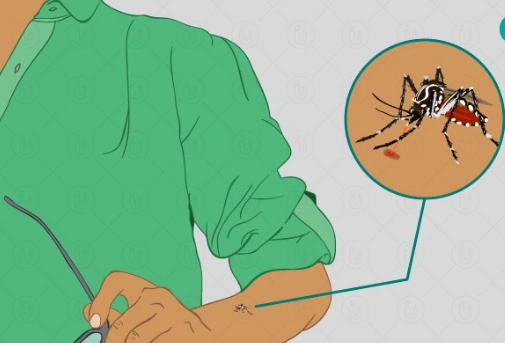
Fever is often overlooked, but ignoring it can be dangerous. Fever can result from various physical complications and can take many forms. It is generally categorized as bacterial, viral, or parasitic. Currently, the number of patients affected by dengue and chikungunya is high. There are key differences between the two. In dengue, platelet count drops, which increases the risk of bleeding and even death. In chikungunya, these risks are not present.
Dengue
When a mosquito carrying the dengue virus bites a person, that individual usually develops dengue fever within a few days. Most dengue cases resolve within six to seven days. However, hemorrhagic dengue (dengue with bleeding) is more severe and can be life-threatening if not treated promptly.
Symptoms:
-
Platelet count drops. Other symptoms include body aches, headache, red eyes, eye pain, watery eyes, loss of appetite, and nausea or vomiting.
-
Rash may appear on different parts of the body.
-
In hemorrhagic dengue, bleeding can occur from the gums, nose, vomiting, urinary tract, and other body parts. Blood may also pool under the skin, forming spots or patches.
Treatment:
-
The patient should have complete rest.
-
Drink plenty of water or other fluids.
-
Only paracetamol-type medications should be used to reduce fever. Painkillers like aspirin or diclofenac should be avoided as they can increase bleeding risk.
-
If any signs of bleeding appear, immediate hospitalization is necessary.
-
If someone has dengue, keep them isolated under a mosquito net to prevent transmission to others.
Chikungunya
Chikungunya is a viral disease similar to dengue, transmitted through bites of female Aedes aegypti and Aedes albopictus mosquitoes. It can affect 10 or more joints in the body but is a preventable disease.
Symptoms:
-
Chikungunya symptoms are similar to dengue but usually with higher fever (often up to 104°F or 40°C). The illness typically lasts 2–5 days and resolves on its own.
-
Severe pain and swelling may occur in fingers, toes, wrists, ankles, spine, or other joints. Pain may persist even after fever subsides.
-
Severe headache and muscle weakness may also occur.
-
After the fever ends, pain resolves within three weeks in about 70% of patients; for the remaining 30%, pain may last longer.
-
Unlike dengue, chikungunya does not reduce platelet count or cause bleeding or death.
Treatment:
-
Prevent mosquito bites and eliminate mosquito breeding sites to avoid chikungunya.
-
Ensure complete rest and encourage intake of plenty of water, fruit juice, or other fluids.
-
Avoid social interactions during the infectious period.
-
Chikungunya can usually be treated at home; there is no specific cure.
-
Supportive treatment with paracetamol is sufficient to reduce fever and pain.
-
If pain is severe, tramadol-type medications may be used temporarily; avoid NSAIDs if unnecessary.
-
For sore throat, frequent gargling with warm salt water can help.
Related News
You may like




Tom Holland Says Marvel Has a Plan for the Next Spider-Man
August 1, 2026
Elected News
-

Bangladesh Seeks UN Women Support on Digital Harassment and Women’s Empowerment
-

Bangladesh, Australia Discuss Human Trafficking, Irregular Migration and Rohingya Crisis
-

Bangladesh Plans Internet-Free Access to Mobile Banking and Financial Apps
-

DU to Open Undergraduate Admission Applications on 11 November, Tests Begin 5 December


