Which type of apple has more nutritional value - red or green?
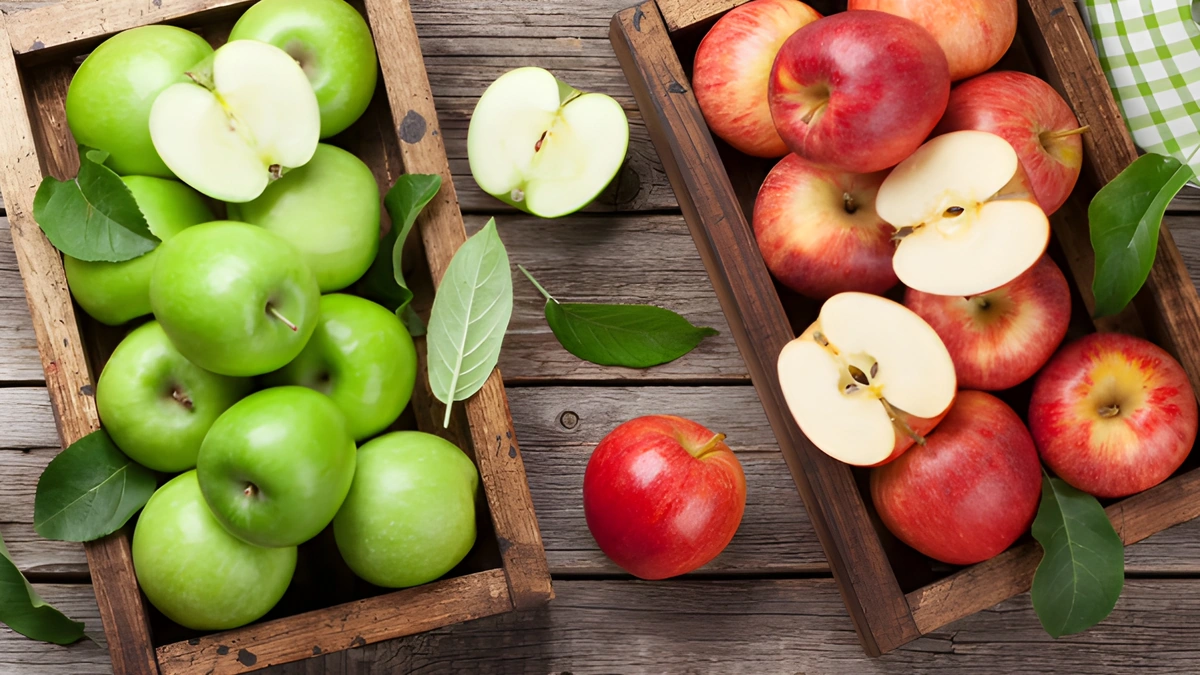
There is a well-known proverb we often hear “An apple a day keeps the doctor away.” Apple is one of the most popular fruits, and it is usually the first fruit recommended for patients. Among the different varieties of apples, red and green ones are the most common. But do you know which type of apple has more nutritional value?
Let’s find out which apple red or green is more nutritious. On this topic, Lina Akter, a nutritionist at Dinajpur Rayan Health Care Hospital and Research Center, shared her insights.
She explained that both red and green apples are nutritious and can be part of a healthy diet. However, there are slight differences in terms of taste, calorie content, and antioxidant levels.
Red apples are sweeter in taste and contain slightly more calories and carbohydrates. They are also rich in anthocyanins, a type of antioxidant.
On the other hand, green apples taste sour because they contain malic acid, making them less sweet. Although both types have similar sugar ratios, the difference in flavor comes from the natural acids red apples being sweeter and green apples more tangy.
Red apples are more popular because they are sweeter and more widely available. Green apples, on the other hand, are less sweet and not as common.
The color of an apple depends on its pigments, and these pigments each have different health benefits:
-
Anthocyanins - These red, blue, and purple pigments help prevent diabetes, heart disease, certain cancers, metabolic disorders, and infections.
-
Carotenoids - These yellow, orange, or red pigments help protect the body from chronic diseases such as cardiovascular and cerebrovascular disorders, eye diseases, osteoporosis, and cancer.
-
Chlorophyll - The green pigment helps reduce the risk of cancer, skin problems, heart disease, hormonal imbalance, gastrointestinal issues, reproductive and urinary disorders, respiratory diseases, muscular conditions, and liver problems.
Regardless of pigment or flavor, both types of apples offer many health benefits from boosting immunity to supporting gut health and preventing chronic diseases.
The goal of a balanced diet is variety, so your choice should depend on your taste and health goals both apples are rich in vitamins and minerals.
Nutritional Differences
-
Carbohydrates and Fiber:
Red apples contain slightly more carbohydrates and less fiber, while green apples have fewer carbs and more fiber. The difference is minimal, so you don’t need to avoid red apples for fear of gaining weight. -
Fiber Content:
A medium green apple has about 3 grams of fiber, compared to 2.5 grams in a red apple. Green apples also contain more pectin, a soluble fiber that helps lower LDL (“bad”) cholesterol.
Research shows that consuming 1 gram of pectin daily can lower LDL cholesterol by about 2 mg/dL.
Fiber also promotes satiety (keeps you full longer) and helps regulate blood sugar and body weight. -
Vitamin A:
Green apples have almost twice as much vitamin A as red apples. Vitamin A supports eye health, reduces acne risk, and strengthens immunity. Apart from this, their overall nutritional values are quite similar. -
Antioxidants:
Both apples contain antioxidants like pectin, quercetin, and flavonoids, but red apples have higher total antioxidant content due to cyanidin, a compound that gives them their reddish-purple color.
Antioxidants help remove free radicals, protect heart health, and boost immunity.
If you want more antioxidants, choose red apples. -
Sugar Content:
A red apple has about 14.2 grams of sugar, while a green apple has about 12.7 grams a small difference.
In red apples, about 83% of the sugar comes from sucrose and fructose, compared to 75% in green apples.
Interestingly, not all sugars taste equally sweet sucrose is about 30% sweeter than glucose, and fructose is about twice as sweet as glucose.
Both apples have a glycemic index (GI) of around 35–40, meaning they don’t cause sharp blood sugar spikes.
Diabetics can safely eat either type, in moderate portions.However, very ripe apples contain more sugar and less pectin. So, if you have diabetes, green apples are the better choice when available; otherwise, red apples in moderation are fine.
Tips for Eating Apples
-
Eat fresh apples - they contain more nutrients. Try to eat them with the peel, as the peel is rich in fiber and polyphenols, which help reduce inflammation and oxidative stress.
-
Eat whole apples, not juice - apple juice has more sugar and less fiber.
-
Mix different fruits daily to keep blood sugar stable and get a variety of nutrients.
-
Add green apples to salads - their firm texture and tangy taste work well.
-
Pair green apples with a spoon of nut butter - the healthy fats and protein make it more satisfying.
-
For children, red apples are a great choice - their natural sweetness makes them more appealing to kids.
Related News
You may like




Tom Holland Says Marvel Has a Plan for the Next Spider-Man
August 1, 2026
Elected News
-

Bangladesh Seeks UN Women Support on Digital Harassment and Women’s Empowerment
-

Bangladesh, Australia Discuss Human Trafficking, Irregular Migration and Rohingya Crisis
-

Bangladesh Plans Internet-Free Access to Mobile Banking and Financial Apps
-

DU to Open Undergraduate Admission Applications on 11 November, Tests Begin 5 December


