Is it a sin if one does not wear a cap?
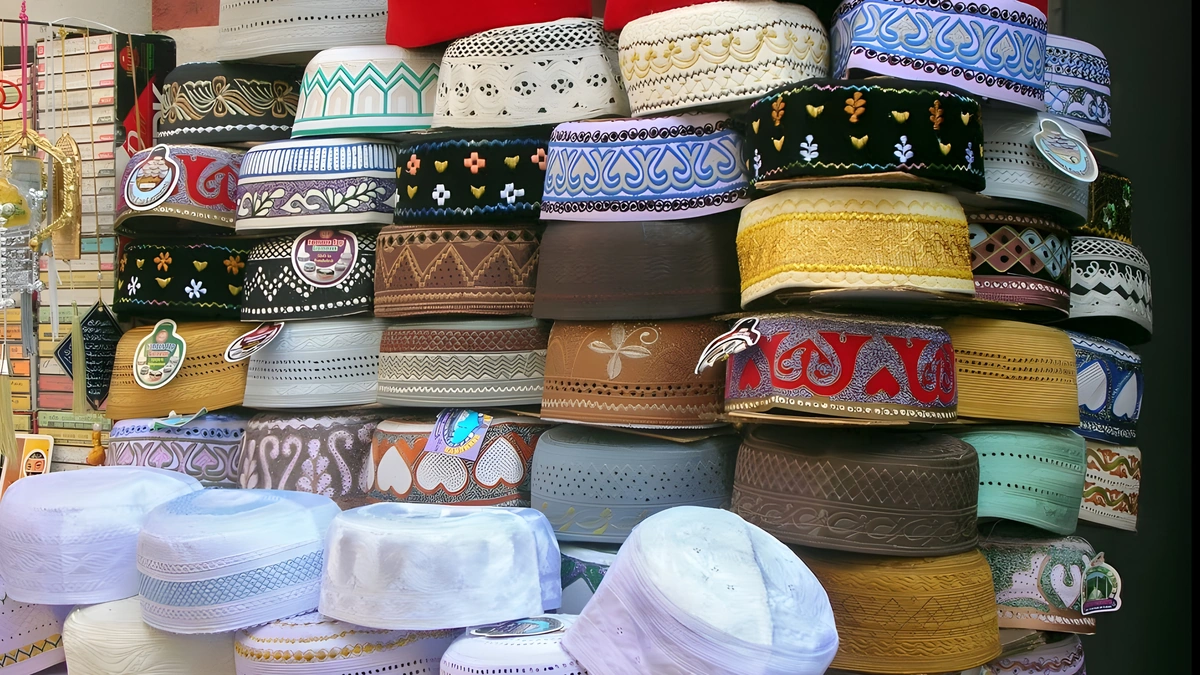
Question: Is wearing a cap (topi) Sunnah or Fard/Wajib, and is it a sin if not worn? Answer: The word “topi” in Bangla means a head covering or helmet. It is originally derived from Sanskrit. In Arabic, the commonly known word for cap is “Qalansuwa”, which comes from “Qalsun,” and its plural is “Qalanis.” The meaning of Qalansuwa is a head ornament or head covering. Wearing a cap is not obligatory (Fard/Wajib) in Islam. It may be a recommended practice in certain cultural or traditional contexts, especially during prayers, but not wearing it is not considered a sin.
Islamic scholars say that it is mustahab (recommended) for a Muslim to wear a cap regularly, and wearing it during prayer is Sunnah.
The cap (topi) is considered a symbol of modesty and decorum for Muslim men. Traditionally, Muslim men wear a cap during the five daily prayers.
It is also customary to cover the head with a cap during Quran recitation, visiting graves, and performing other religious acts. Wearing a cap is part of the cultural and religious identity of the Muslim Ummah and has support in Hadith and historical records.
Some examples from Hadith and history:
-
Hasan bin Mehran narrated that a Sahabi said, “I ate with the Messenger of Allah (SAW) at his table and saw him wearing a white cap on his head.” (Al-Isabah 4/339)
-
Umar ibn Khattab (RA) heard the Messenger of Allah (SAW) say, “Three types of people will be martyred…” At that time, the Prophet’s cap fell off. Or it is reported that Umar’s cap fell off. (Musnad Ahmad, Hadith: 146; Jami’ at-Tirmidhi, Hadith: 1644)
-
Hasan Basri (RA) said that the Companions (Sahaba) used to prostrate on their turban or cap during hot days. (Sahih Bukhari, Kitabus Salat)
-
Notably, Hasan Basri (RA) was a prominent Tabi‘i scholar who saw and took companionship from many Sahaba.
-
Sulaiman ibn Abi Abdullah said, “I saw the foremost Muhajirun wearing cotton turbans. They had various colors—black, white, red, green, yellow. They would place the turban cloth on their head, then put a cap over it, and finally wrap the turban around it.” (Musannaf Ibn Abi Shaybah 12/545)
Fuqaha (Islamic jurists) say: Wearing a cap (topi) during prayer is Sunnah, and deliberately praying without a cap is makruh (disliked), though the prayer is still valid. (Fatawa Kazi Khan: 1/135)
Scholars agree: wearing a cap is mustahab (recommended), and all four Imams stated that performing prayer with a cap is Sunnah, while deliberately praying without it is makruh, even though the prayer is valid. (Fatawa Kazi Khan: 1/135; Raddul Mukhtar: 1/640; Fatawa Tatar Khania: 1/565)
Performing prayer without a cap without a valid reason is makruh. It is not sinful if there is no cap available, but habitually neglecting it without excuse is considered disliked in Shariah and should be avoided.
Related News
You may like




Tom Holland Says Marvel Has a Plan for the Next Spider-Man
August 1, 2026
Elected News
-

Bangladesh Seeks UN Women Support on Digital Harassment and Women’s Empowerment
-

Bangladesh, Australia Discuss Human Trafficking, Irregular Migration and Rohingya Crisis
-

Bangladesh Plans Internet-Free Access to Mobile Banking and Financial Apps
-

DU to Open Undergraduate Admission Applications on 11 November, Tests Begin 5 December


